
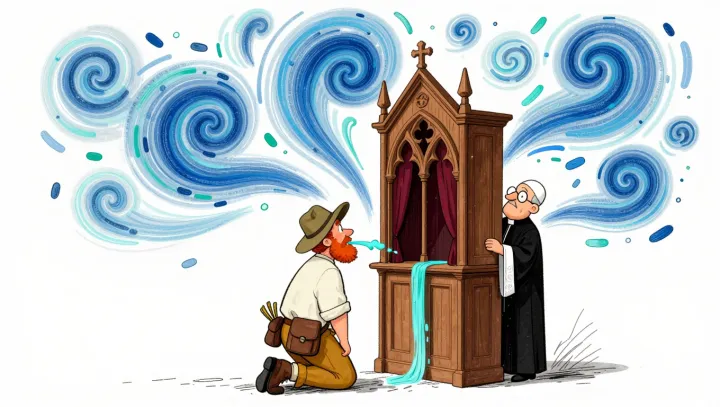
The Social Power of Starlight
Awe beneath the stars can reduce self-preoccupation and encourage connection, though feeling small does not always produce generosity.
2026-10-22
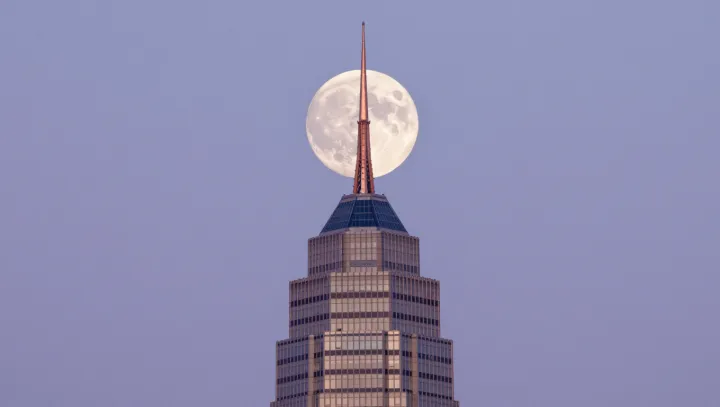
Moonlight Needs No Penthouse
Moonlight is reflected sunlight that crosses from the Moon in about 1.3 seconds. A rooftop may improve the view, but an open street already receives the same celestial delivery.
2026-10-22
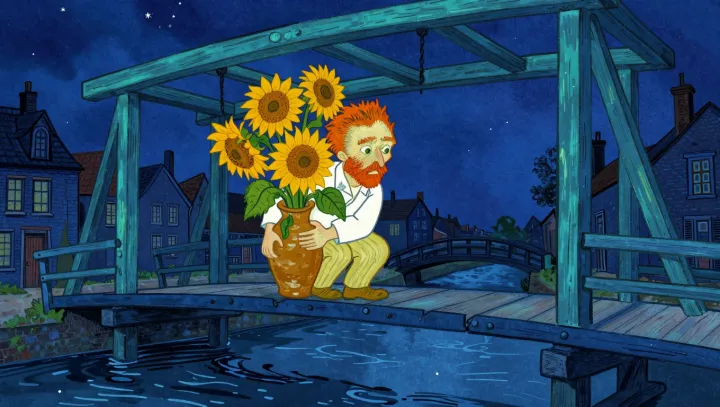
Van Gogh's Brilliance Was Work
Van Gogh's letters and paintings point to sustained study of color, challenging the idea that mental suffering itself produced his artistic achievement.
2026-10-22
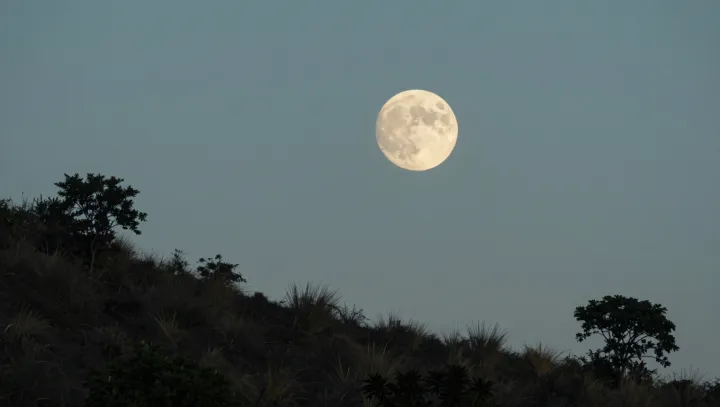
The Crescent Moon's Quiet Distraction
A crescent moon may ease worry by redirecting attention, not through a special effect of moonlight. Research on nature offers a plausible explanation, but moon-specific evidence remains limited.
2026-10-22

Moonrise Deserves an Empty Hour
Moonrise offers an occasion to step away from work and screens, not through lunar magic, but by making room for rest without demanding a return.
2026-10-22
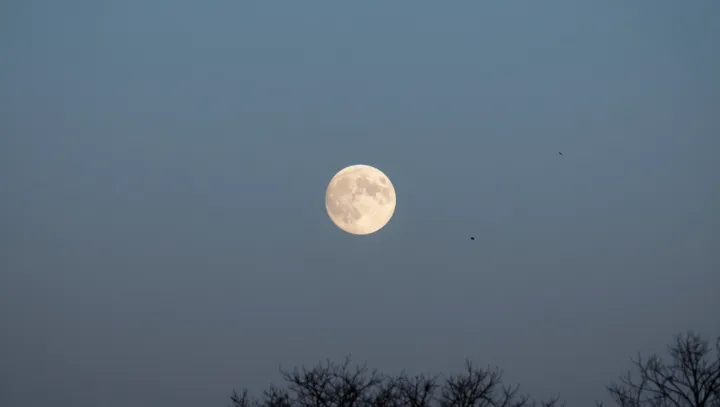
The Distance in Your Own Name
Using your name instead of "I" can create psychological distance from distress, helping you consider feelings without becoming absorbed in them. Moonlight is atmosphere, not the mechanism.
2026-10-21
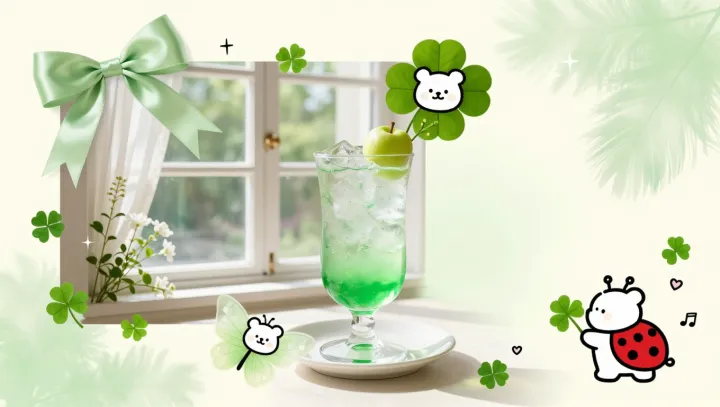
Sweetness Is Not Identity
Pinching your nose restricts aroma delivery, weakening food recognition while leaving sweetness detection intact. Taste, smell and texture supply different clues.
2026-10-21

Why Clouds Give the Moon a Ring
Cloud droplets scatter moonlight, softening the Moon's outline while diffraction produces a nearby corona. A much wider ring usually comes from refraction through ice crystals.
2026-10-21
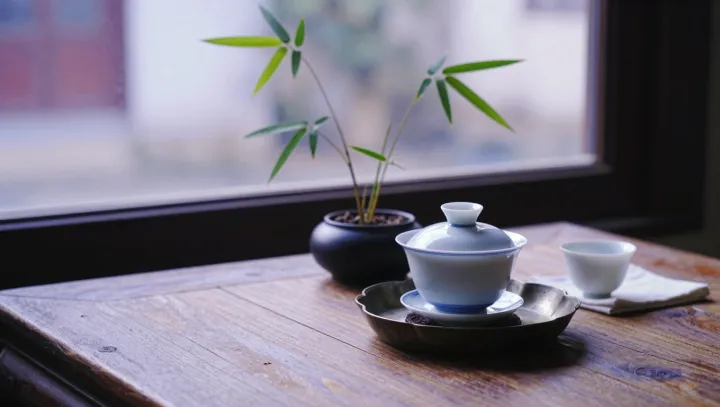
The Lid Does the Straining
A narrow opening between lid and bowl releases tea while retaining most leaves. Pouring angle and leaf size determine how well this simple separation works.
2026-10-20

Why Cafe Noise Can Help You Focus
A cafe can reduce competition from household chores and familiar distractions. Steady background noise may be manageable, but clear speech and sudden sounds can still disrupt concentration.
2026-10-20
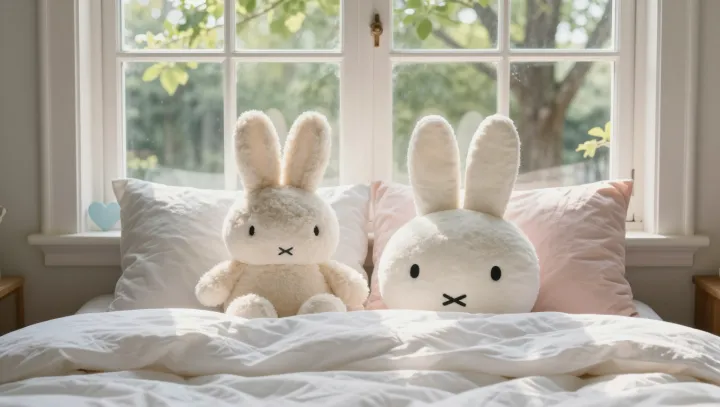
The Comfort of Untouched Softness
A plush toy can suggest comfort before contact because visual texture cues recall familiar touch sensations and learned associations with care, although responses vary.
2026-10-20
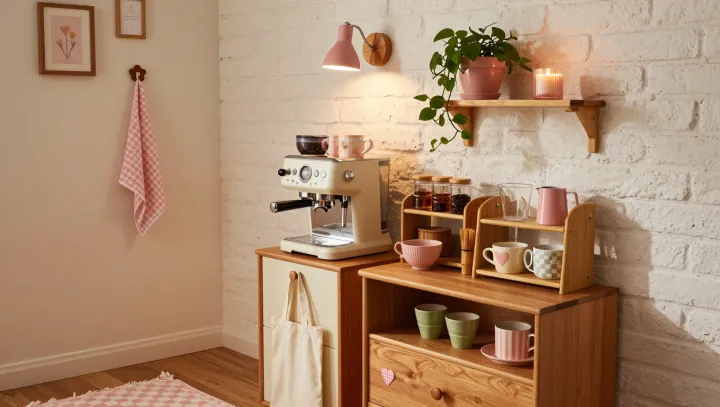
Your Coffee Corner Needs Less
A cohesive coffee corner starts with coordinated finishes, grouped cups, concealed supplies, and warm task lighting, not a more expensive espresso machine.
2026-10-20

Sunlight Feeds Fruit, Fades Ink
Sunlight powers sugar production in plants but can damage ink molecules. The difference lies in how living cells manage absorbed light and how exposed dyes react.
2026-10-20
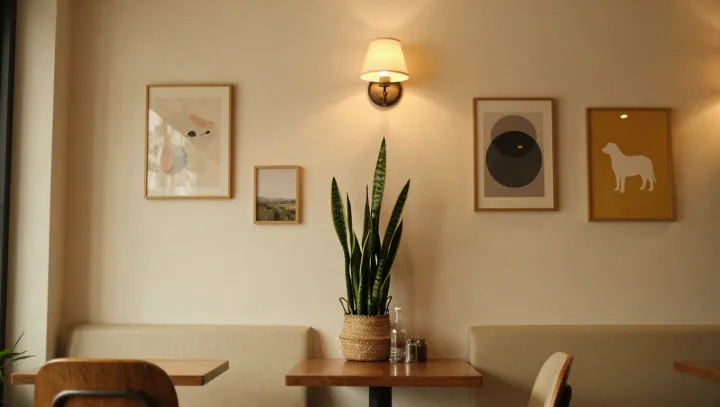
The Case for One Large Artwork
One large artwork can give a cozy room a calmer focal point. Thoughtful placement, open wall space and texture offer warmth without a crowd of competing frames.
2026-10-20
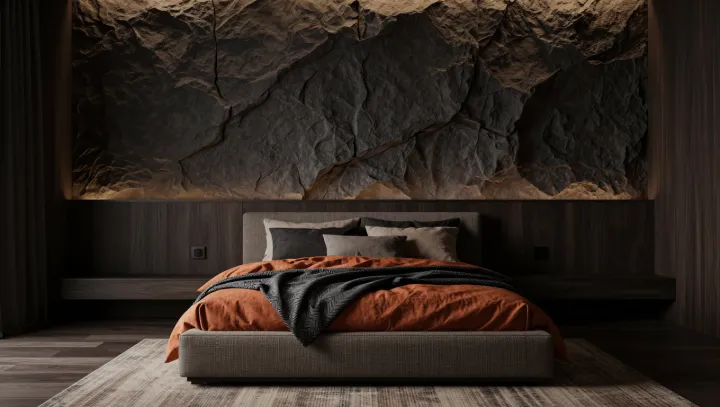
A Good Fit Can Still Fail the Warranty
A matching bed size does not guarantee warranty compliance. Check mattress-specific slat gaps, center support and foundation rules before buying a frame.
2026-10-20

The Sweet Smell of Paper Decay
An old book's vanilla scent can come from vanillin released as lignin breaks down. The pleasing aroma accompanies chemical changes that can leave paper brittle.
2026-10-20

Warm Light Gets Too Much Credit
Warm light may feel inviting, but readable brightness, limited glare, and fewer distractions can matter more than color alone when settling into a book.
2026-10-20

Autumn Gold Was Already There
Yellow pigments are present in leaves before autumn. As chlorophyll breaks down, those hidden colors emerge, while trees recover nutrients before shedding their leaves.
2026-10-19

Autumn's Two Color Strategies
Yellow pigments survive as chlorophyll fades. Some trees make red anthocyanins that may protect aging leaves while nutrients move into storage.
2026-10-19

When Library Light Hides the Words
More light does not always improve reading. Glare can weaken the contrast between ink and paper, making lamp placement and reflection control more useful than extra brightness.
2026-10-19