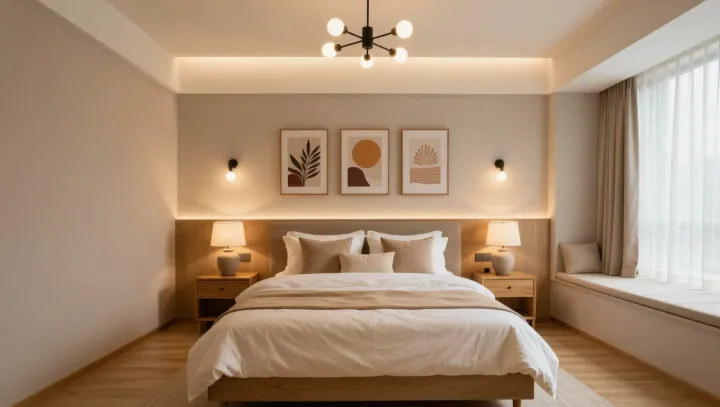
A bare coffee table with a single vase and a stack of books can feel more luxurious than a room packed with oversized seating and storage. This is not an aesthetic coincidence; it is a function of how the brain processes space, objects and social cues inside a home.
Human perception is limited by attentional bandwidth and working memory, two constraints closely related to cognitive load. When a room is filled with large furniture, the visual field becomes noisy, pushing the brain toward decision fatigue and mild sensory stress. A few small, well-placed decor pieces create clear focal points, letting the visual cortex group information through Gestalt principles and read the space as coherent rather than crowded.
Behavioral economics also plays a role. Once basic needs like seating and storage are met, additional furniture delivers rapidly declining marginal utility. Small decor objects, by contrast, operate at the level of symbolic value and emotional salience. A textured throw, a framed print or a warm lamp can signal care, hospitality and personal identity, tapping into social belonging needs rather than pure function.
There is also a subtle effect on perceived status. Sparse but intentional styling mimics high-end retail and boutique hotel environments, where negative space is treated as a premium asset. In this context, a few inexpensive objects anchored in empty surfaces read as curated rather than cheap, which makes the overall environment feel richer, calmer and more welcoming, even when the budget is modest.