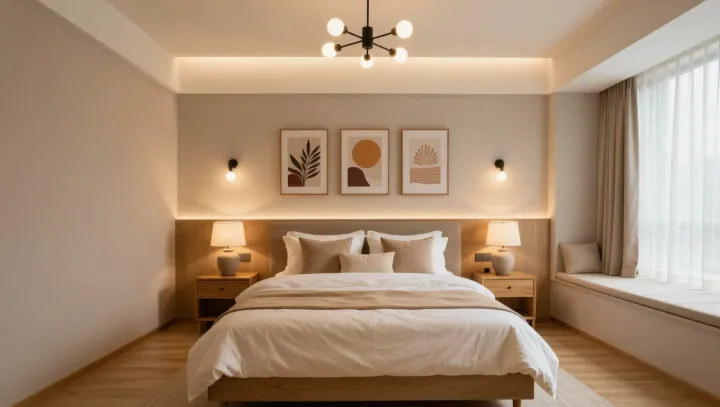
A blank wall above a bed is not neutral; it behaves like a low-grade threat cue to the brain’s oldest alarm center. When the visual field holds nothing but darkness or hard geometry, the amygdala receives little contextual reassurance and keeps baseline vigilance elevated, a state that delays the shift toward sleep onset latency reduction documented in polysomnography research.
More effective than another supplement, two or three warm-toned, familiar images can act as a visual safety signal that preconditions the limbic system before lights out. Soft ochres and reds, already linked with lower heart rate variability in psychophysiology labs, are processed first in the visual cortex and then relayed to the amygdala, where repeated exposure to the same non-threatening motifs promotes habituation and dampens threat detection circuits.
The real leverage comes from familiarity, not artistic merit. When the brain can predict the contours of a photograph or print, hippocampal pattern completion becomes effortless, which reduces cortical metabolic demand and supports parasympathetic activation. That quieter autonomic profile, marked by lower noradrenaline release and slower respiratory rate, shortens the mental gap between lying down and actual sleep, without any need to upgrade a mattress, alter nutrition, or rewrite an evening schedule.