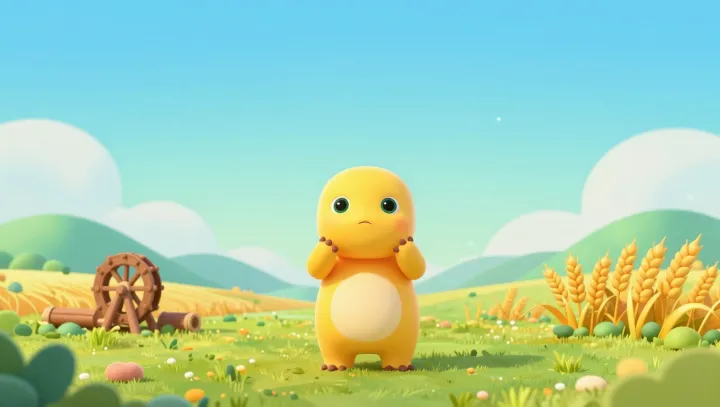
A lumpy, almost featureless dragon sits at the center of one of the most efficient meme engines on social media. No sharp wings, no cinematic fire, just a blob that looks like it was drawn during a dull meeting. Yet this creature repeatedly floods feeds because it hits the brain’s reward circuitry at three precise angles: predictability, surprise and safe absurdity.
Neuroscience calls the core of this loop reward prediction error, the dopamine shift that appears in the striatum when a pattern is slightly broken rather than fully shattered. The dragon template gives users a stable contour: same body, same blank eyes, same clumsy posture. Each new caption or remix then nudges that template off-course just enough to trigger a small spike in novelty without triggering cognitive overload. The result is a low-friction cycle of recognition followed by micro-surprise, which keeps people scrolling and reposting.
Psychologists would also flag benign violation theory: humor lands when a norm is broken while still feeling harmless. The dragon violates every aesthetic rule of heroic fantasy yet radiates zero threat, so viewers can enjoy the mismatch without moral cost. Online, that combination becomes a powerful attention lever and content engine. Users co-create variants, platforms reward engagement, and the dragon turns from a throwaway doodle into infrastructure for collective play, proof that in meme culture charisma is less about visual polish than about how elegantly a character plugs into neural habit loops.