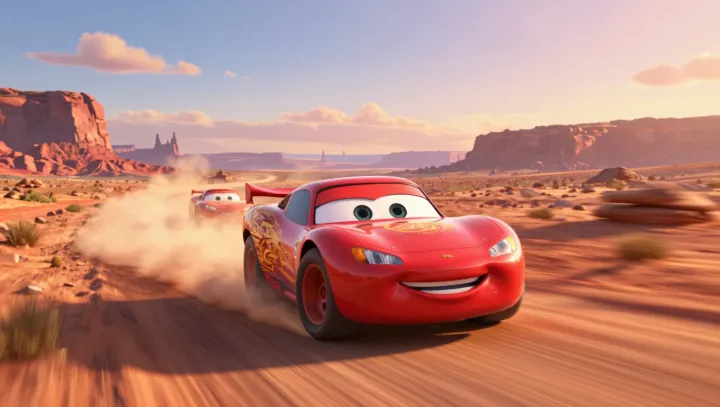
A children’s racing cartoon can smuggle a more honest conversation about burnout and aging into living rooms than many earnest self‑help titles. Under the noise of engines, it stages a slow crisis of capacity: a champion who feels his reaction time slip, his mental bandwidth narrow, his dominance curve flatten as marginal effects start to dwindle.
Instead of preaching hustle, the narrative walks viewers through something closer to a psychological cost–benefit analysis. Training sequences double as case studies in cognitive load and emotional regulation; rivalries become live demonstrations of ego defense mechanisms. The show does not romanticize limitless grit. It lets fatigue accumulate like metabolic waste, making exhaustion visible as a systems failure rather than a moral flaw, and it allows characters to redirect ambition instead of just pushing basic metabolic rate higher.
For children, this lands as story, not sermon. They watch a driver learn to delegate, to coach, to embrace being overtaken without treating it as personal annihilation. Adults, meanwhile, see a model of graceful role transition: status is decoupled from speed, identity from output. Where many manuals offer slogans, the cartoon offers rehearsals, giving both age groups a low‑stakes laboratory for what it means to downshift without disappearing.