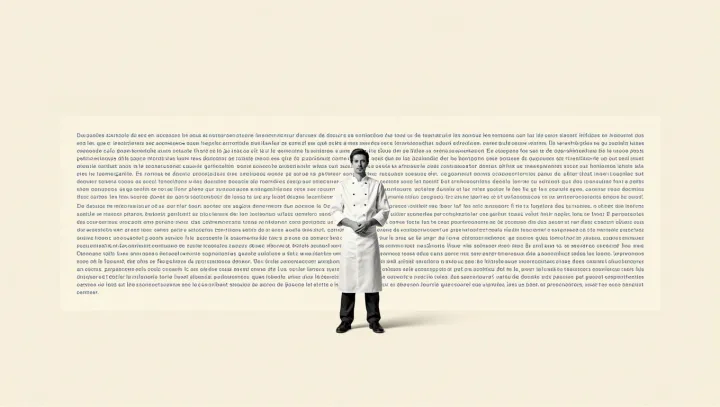
A make‑believe magazine becomes the most granular portrait of print journalism by treating fantasy like documentary evidence. The French Dispatch builds its fictional title as if it were an archive: mastheads, layout systems, house style, and even subscription blurbs appear with the density of primary sources.
Instead of merely setting scenes in a newsroom, the film reverse‑engineers an entire editorial workflow. Articles unfold as self‑contained feature stories, echoing long‑form reportage with clear ledes, nut graphs, and sidebars translated into visual form. Voiceovers mimic fact‑checked copy, while on‑screen captions behave like marginalia, footnotes, and pull quotes. The movie tracks the equivalent of editorial entropy, showing how digressions, rewrites, and deadline pressure reshape each story without breaking its internal logic.
The design work completes the simulation. Page spreads become shot compositions; typefaces and column grids mirror legacy magazines that treated layout as a kind of visual metabolism, turning raw reporting into legible narrative. References to foreign correspondents, editorial hierarchies, and recurring departments sketch a full institutional ecosystem, so that by the time the end credits roll, the invented magazine feels less like a cinematic device than a historical object someone might actually file in a library stack.