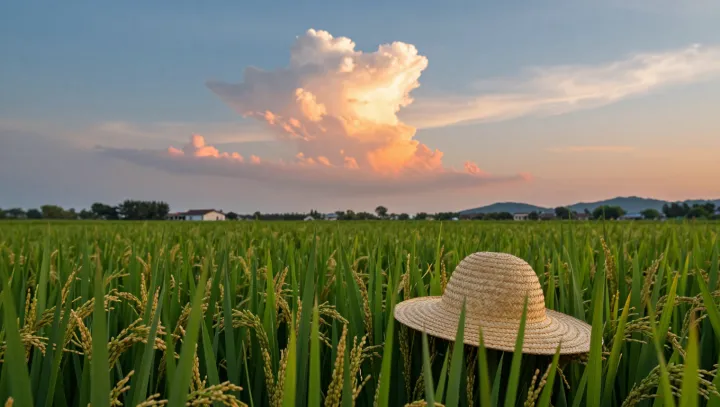
The postcard view of rolling fields and scattered trees often masks an engineered matrix of grass, water and animals. What seems like spontaneous order is usually the outcome of long feedback loops between herders, soil and climate, tuned over many generations.
Traditional pastoral systems behave like living infrastructure. Stocking density, rotational grazing and selective clearing regulate primary productivity and nutrient cycling in ways comparable to a managed nitrogen budget. Terraces, ditches and stone walls redirect surface runoff, adjust soil moisture and prevent erosion, turning hydrology into a slow form of civil engineering that operates through infiltration rates and capillary rise instead of concrete.
Biodiversity is curated rather than incidental. Repeated grazing pressure favors species with specific life histories and photosynthetic strategies, creating grassland mosaics that remain stable only under continued human disturbance. Fire regimes are calibrated to reset succession, control woody encroachment and recycle biomass, exploiting plant traits such as resprouting capacity and seed bank persistence. Over time, these interventions lock in a cultural landscape whose apparent naturalness depends on ongoing human management of energy flow and trophic structure.