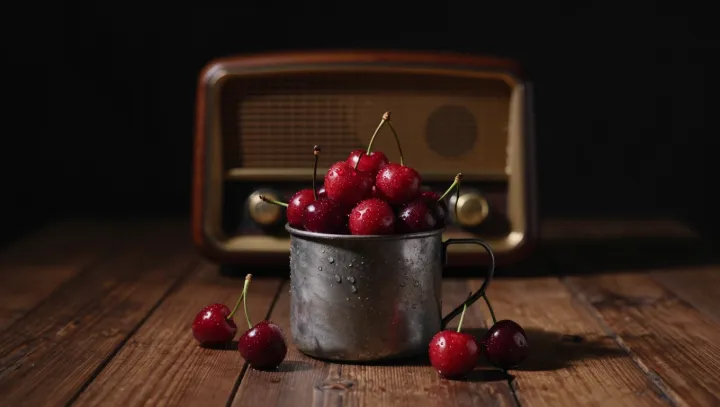
Letters stamped on cherry cartons are starting to matter more to expert buyers than the oversized J-size printed on the front. Away from consumer marketing, a discreet grid of letters and numbers now acts as the real spec sheet for sweetness, density and bite.
Those letters typically encode variety, orchard origin, optical-sorting program and firmness band, which together track far closer to perceived sweetness than raw diameter alone. J-size measures volume; it does not guarantee high soluble solids content or a stable cell wall structure. A large cherry from a high-yield block can look impressive yet taste diluted, while a slightly smaller fruit from a low-yield, late-thinning plot, flagged by a different internal code, can pack higher Brix and a tighter texture profile.
Packers feed camera data, pressure tests and random Brix readings into grading software, then translate settings into short alpha codes so buyers can read, at a glance, how aggressively the line filtered for softness, pitting risk and color uniformity. The result is a quiet language that links post-harvest physiology to retail shelf performance. For traders trying to reduce claims, markdowns and waste, decoding those letters becomes less about romance and more about precise risk management.