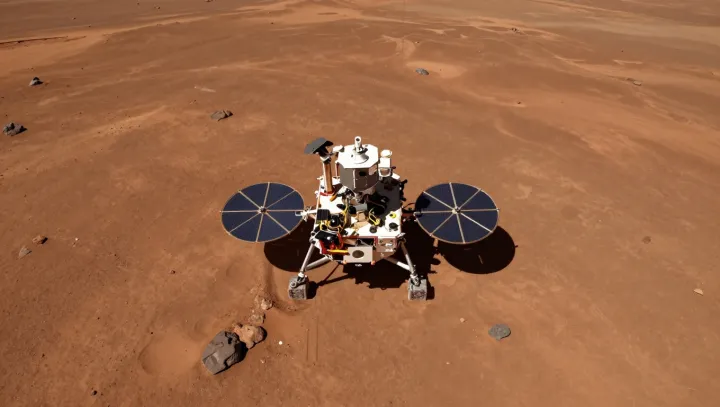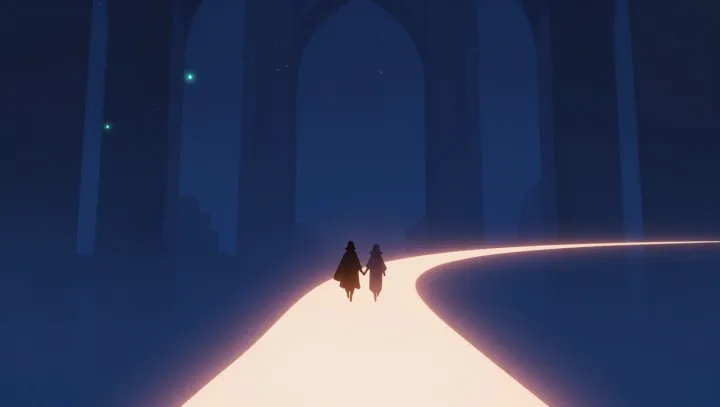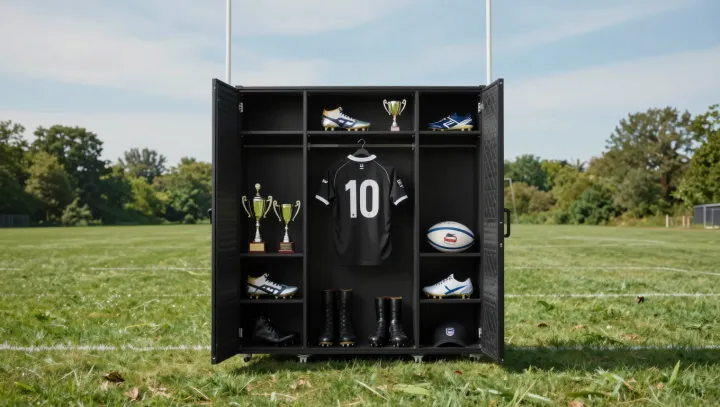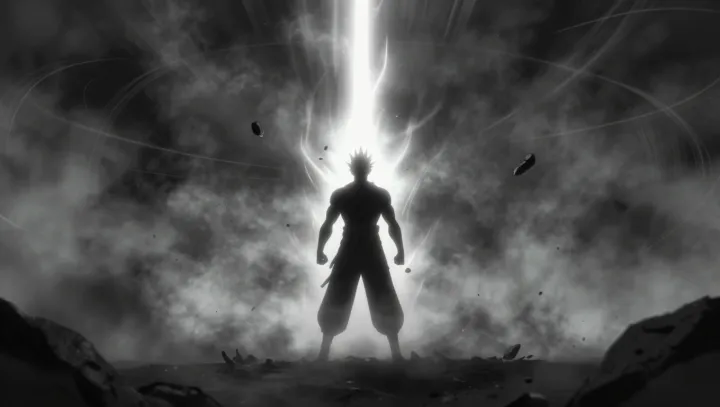
A blurred sentence about a storm god, a broken spear, a red moon. On Wukong’s side of the screen, that vagueness becomes coordinates in a latent space, where words are translated into vectors that encode style, mood and iconography. Instead of imagination, the system leans on statistics: co-occurrence patterns, learned priors, and what amounts to a visual grammar of myth.
Under the hood, a generative model treats the image like structured noise and then walks it, step by step, toward order. Diffusion processes invert entropy increase, nudging random pixels until they match the probability distribution implied by the text. An attention mechanism acts as a negotiator, deciding how strongly each token, from “dragon” to “dust,” should influence every patch of the image grid.
Consistency, the bane of many creative systems, is handled as a geometric problem. Similar prompts are mapped to nearby regions of the same manifold, so a recurring hero keeps the same facial structure and armor palette across scenes. Style tokens, camera cues and composition hints shape this manifold, while sampling temperature and guidance scale tune the marginal effect of randomness versus fidelity. In the end, what looks like mythic intuition is simply probabilistic constraint, rendered one pixel at a time.