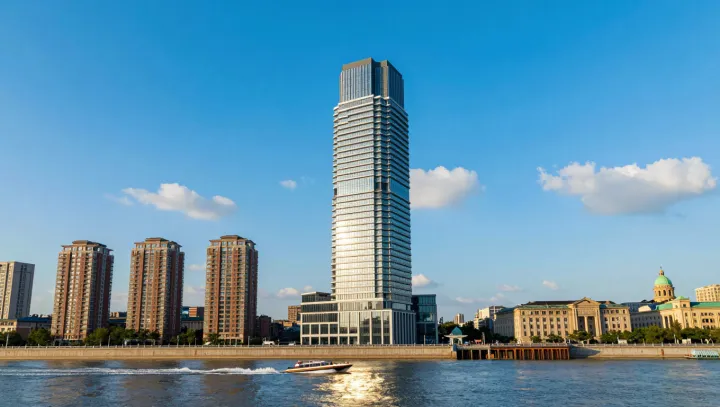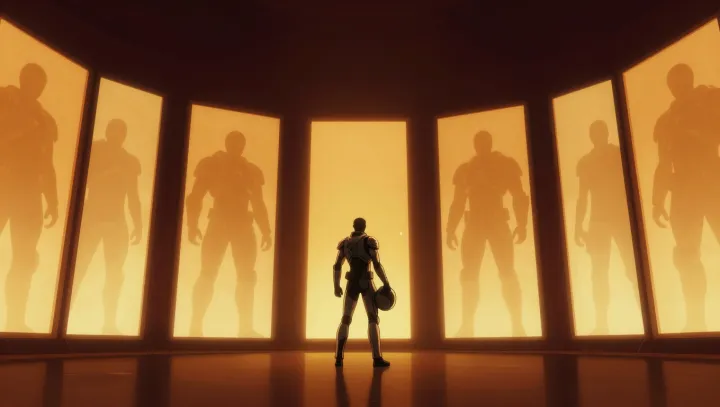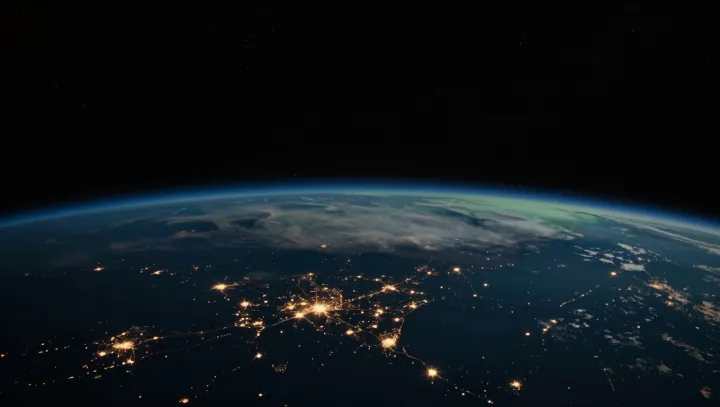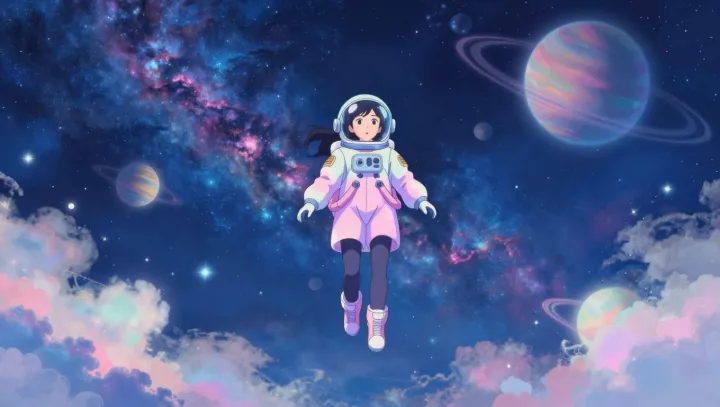
A static background in anime often carries more planning than the characters dancing across it. In contemporary studios, the decisive work happens before any frame is drawn: layout passes fix perspective grids, light direction, and camera paths so that most elements can remain stable while motion is layered on top.
This shift is less about laziness than about information density and entropy management. Once a scene’s spatial logic is locked, animators can treat characters as moving vectors inside a consistent coordinate system, while compositors adjust depth of field, motion blur and color grading without redrawing buildings, props or skies. The result is a controlled marginal effect: each new drawing adds just enough change to register as action, without breaking the illusion of a continuous world.
Digital pipelines amplify the calculus. High resolution background paintings and 3D sets are expensive assets, so studios design shots to reuse them across cuts, relying on parallax shifts, camera pans and effects layers to simulate change. What appears as hand-crafted volatility on screen is often a tightly engineered equilibrium between what the eye believes is moving and what the production budget cannot afford to move.