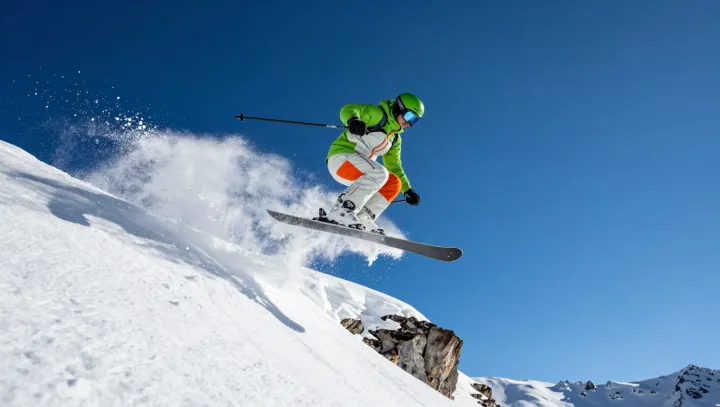
A brain inside an fMRI scanner watching downhill runs on a screen shows a pattern usually reserved for drugs, gambling, and compulsive apps. Reward hubs in the ventral striatum and nucleus accumbens light up as if a hit is coming, not a turn on a ski slope.
Skiing stacks several reward mechanisms at once. Speed, novelty, and finely tuned balance all drive dopamine release, the same neuromodulator that underpins reinforcement learning and reward prediction error. Steep terrain increases perceived risk, recruiting the amygdala and autonomic arousal, while a successful run immediately resolves that threat. The shift from danger signals to safety signals creates a sharp contrast in neural firing that the brain encodes as especially valuable.
Motor control networks in the cerebellum and basal ganglia add another layer of gratification. Each carved turn tightens sensorimotor loops, creating dense feedback between proprioception and visual flow. That tightening can resemble the consolidation of habit circuits seen in addictive behaviors, where repeated action gradually lowers cognitive load yet preserves high reward salience. Social factors compound the effect: cheers from friends, performance tracking, and scenic environments boost endogenous opioids and endorphins, overlaying pleasure on top of risk. On scans, the combination looks less like simple exercise and more like a full reward ecosystem built around sliding on frozen water.