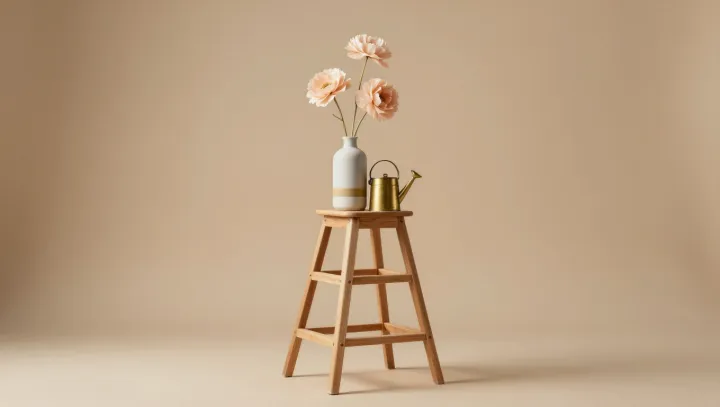
A single species filling a vase can read as more luxurious than a mixed bouquet packed with variety. In professional floristry, this is a deliberate choice rooted in how the eye organizes information and assigns value. When only roses, tulips or orchids appear, the brain encounters a clear pattern instead of competing signals, and that clarity translates into a stronger first impression of abundance.
Florists talk about visual hierarchy and rhythm just as architects talk about proportion. Repeating one flower tightens that hierarchy: color, form and texture line up, so the viewer can register scale and density without distraction. Multiple varieties introduce visual noise, forcing the eye to keep recalibrating. That extra cognitive load makes each stem feel less important, even when the total stem count is higher.
Quantity of the same bloom also amplifies perceived scarcity. A mass of identical long-stem roses hints at a higher cost per unit than an assorted mix, even if the real price is similar, because it resembles a wholesale block lifted straight from the market. In luxury retail and interior styling, this same principle underpins the use of single-color product walls or monochrome cushions on a sofa: repetition signals intention, not compromise, and consumers tend to read intention as premium.