A fruit that tastes like dessert has become shorthand for blood support. Strawberries are almost entirely water by weight, yet they deliver an unusually high dose of vitamin C alongside a dense mix of polyphenols. This combination has turned a light, sweet snack into a cultural symbol of nourishment for the blood.
Vitamin C sits at the center of that story. It enhances non‑heme iron absorption in the gut by reducing ferric iron to ferrous iron, a textbook example of how redox potential shifts nutrient bioavailability. At the same time, vitamin C helps regenerate other antioxidants, moderating oxidative stress that can damage vascular endothelium, the thin cellular lining that keeps blood vessels responsive and intact.
Polyphenols such as anthocyanins and ellagic acid add another layer of mechanistic effect. These compounds interact with endothelial nitric oxide synthase, a key enzyme that regulates vasodilation, and they influence low‑density lipoprotein oxidation, a classic target in cardiovascular physiology. Gastrointestinal transit and the microbiome further modulate these molecules, turning strawberry fibers and phytochemicals into metabolites that circulate with the blood they are said to nourish.
The result is a fruit whose sensory profile signals indulgence while its biochemical profile quietly intersects with iron kinetics and microvascular function. That gap between taste and mechanism is what allows strawberries to live a double life: dessert on the plate, vascular narrative in popular imagination.
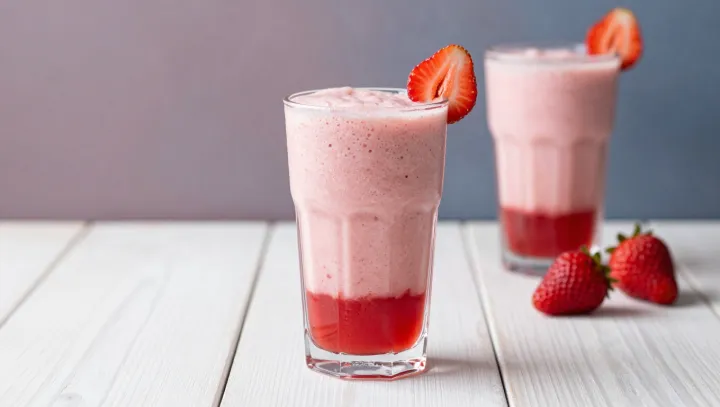
The image of a bright red, juice‑filled berry then reinforces the link. Color, sweetness and the visible flow of juice echo the very system these compounds touch, giving a physiological story an immediately legible visual metaphor.