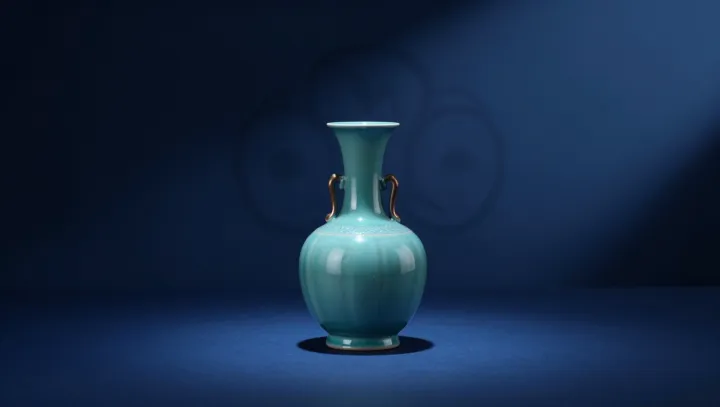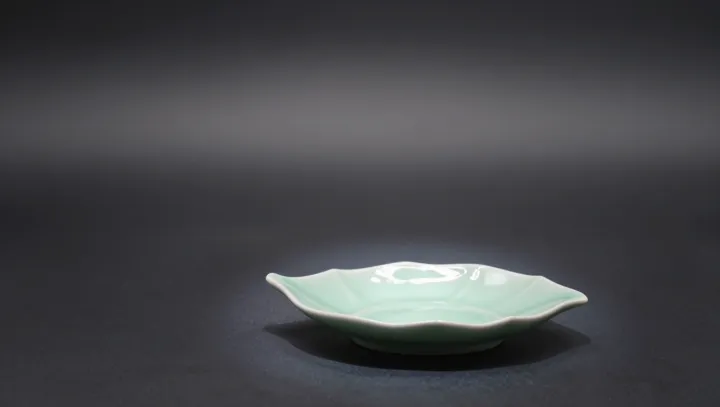
The soft blue‑green of celadon enters the kiln as a chemical accident and leaves culture as an ethical statement. Iron oxide in the glaze, fired in a carefully controlled reduction atmosphere that limits oxygen, produces a narrow spectrum of subdued color. That spectrum became a visual shorthand for humility in courts and scholar studios that distrusted overt spectacle.
Celadon’s appeal rests on a kind of aesthetic entropy management: instead of chasing maximal chromatic energy, makers accept the marginal effects of small shifts in temperature, atmosphere and clay composition. The glaze hovers at the edge of transparency, revealing the body beneath rather than masking it, which aligns with Confucian ideals that valorize inner virtue over surface display. Where gold or bright overglaze enamels advertise surplus wealth, celadon’s almost monochrome field invites close, slow looking; value migrates from instant impact to sustained attention.
This understated palette also suited societies in which sumptuary regulations and moral rhetoric policed luxury. A restrained bowl could signal refinement without triggering accusations of excess, turning technical constraint into social leverage. Over time, that linkage between controlled kiln atmosphere and controlled self became self‑reinforcing: to choose celadon was to opt into a moral narrative in which beauty is disciplined, not exuberant.