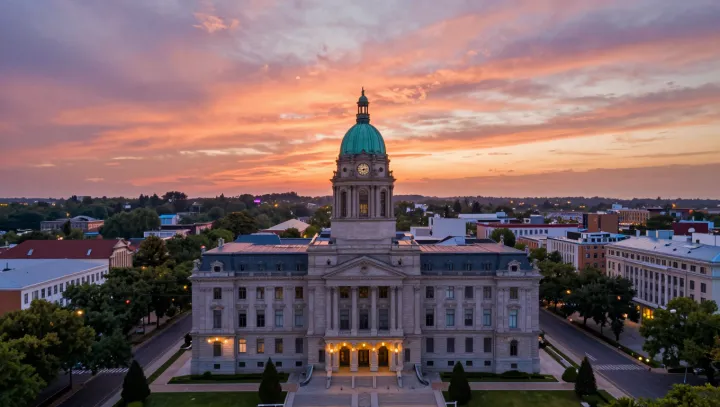
Campus luxury for international students is no longer defined by stone arches or century‑old seals. Two U.S. universities that sit below the usual prestige tier are drawing sustained attention because their residence halls, counseling infrastructure and everyday services behave less like add‑ons and more like a core system architecture. Their brand status lags in conventional rankings, yet survey data and word‑of‑mouth networks consistently place them near the top for satisfaction and perceived well‑being.
The divergence is rooted in incentives. Traditional rankings accentuate research citations, selectivity and endowment size, while students abroad optimize for campus climate, response time in crises and the probability that support services will actually be accessible. That creates a kind of marginal utility gap: a small improvement in mental health wait times or in dorm design yields a disproportionate gain in day‑to‑day quality of life for someone navigating visa rules, culture shock and academic pressure simultaneously.
These campuses have treated counseling capacity, multilingual advising and community programming almost like investments in reduced systemic entropy, slowing the drift from stress to burnout. High‑frequency shuttle routes, flexible dining and frictionless digital portals for visas, housing and tuition combine into an ecosystem that lowers cognitive load. For international students comparing experiences in private chat groups rather than brochure photos, the result is a quiet reordering of what counts as real luxury in higher education.