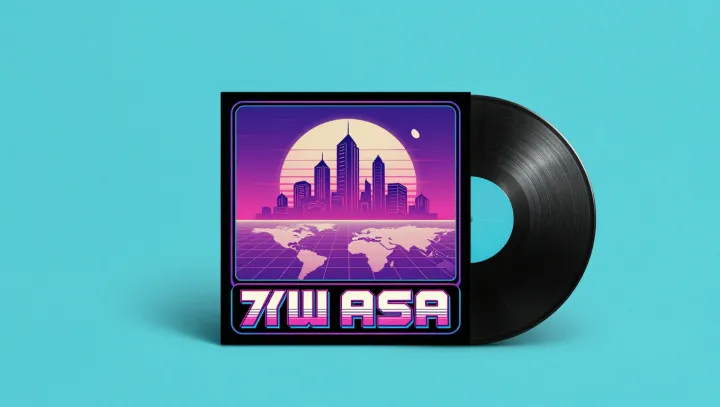
A square of cardboard can become more famous than the sounds it hides. Certain album covers escape the record store and enter global visual culture, circulating on T-shirts, posters and social feeds long after the tracklist is forgotten or never heard at all.
The explanation starts with visual memory. Humans encode images faster than sound, and a single bold composition can act like a logo, compressing an artist, an era and an attitude into one frame. Once that frame is easy to redraw, crop or remix, it behaves like a meme template, gaining what marketers would call network effects: every reuse makes recognition cheaper for the next viewer, regardless of whether they know the songs.
Digital distribution then severs the old link between listening and owning. People now meet album art first as avatars, reaction images and streetwear graphics, not as objects tied to playback devices. Platform algorithms amplify whatever travels well in a feed, and high-contrast, easily legible covers outperform audio clips in this attention economy. Over time, the image becomes a kind of cultural currency, traded and referenced for its mood or status signal, while the music that gave it birth recedes into background noise.