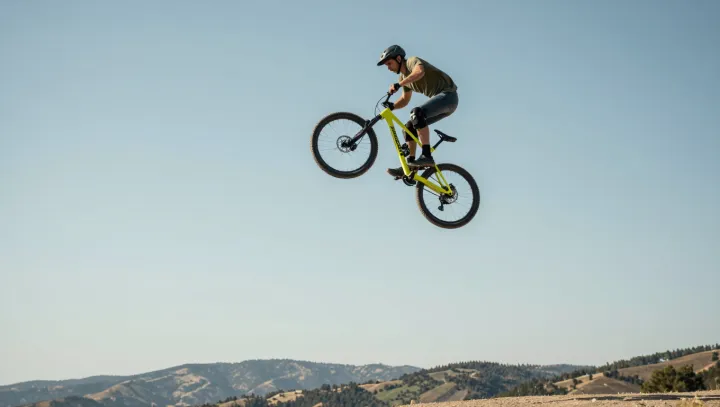
A spinning crankset can do something most antidepressants cannot: nudge tonight’s sleep within a single session. A modest 30–45 minute ride does not cure depression, yet it reliably flips a series of biochemical switches that many brains feel a few hours later in bed.
During steady cycling, large muscle groups demand oxygen, cardiac output climbs, and the brain responds with a pulse of serotonin and dopamine, followed by a rise in gamma‑aminobutyric acid. These neurotransmitters modulate mood, but they also recalibrate sleep architecture by influencing rapid eye movement cycles and slow‑wave sleep. At the same time, cortisol levels tend to drop after exercise, lowering hyperarousal that often keeps depressed people awake despite exhaustion.
The ride also acts on the circadian rhythm, the brain’s internal clock anchored in the suprachiasmatic nucleus. Elevated core body temperature during effort and its gradual decline afterward serve as a time cue, helping synchronize melatonin secretion with the coming night. Repeated sessions increase brain‑derived neurotrophic factor, shifting neural plasticity over the long term, but even a single bout can improve sleep onset latency and continuity. Depression remains, with its cognitive patterns and social context, yet the physiology of one well‑timed ride can temporarily tilt the system toward rest.