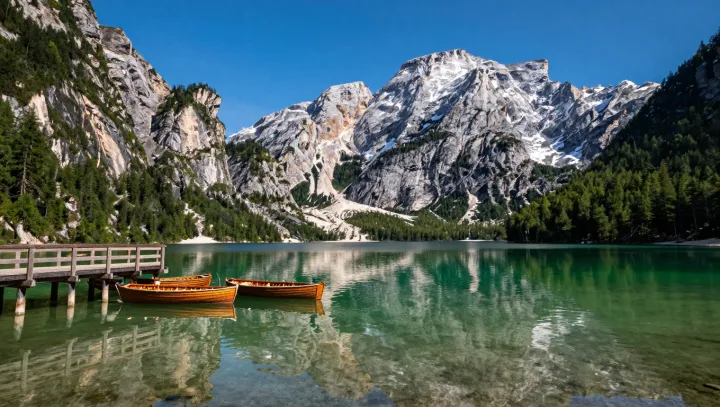
The same chain of snow peaks throws two very different shadows across Tibetan travel culture. On one side sits Yading, a polished icon on global itineraries; on the other, Cuopu Valley, largely absent from mainstream maps yet quietly named by many locals as the more precious place.
Part of the explanation lies in exposure. Yading has been scaled up through infrastructure and mass marketing, which increases visitor flow and pushes the entropy of the local ecosystem upward: trails widen, noise rises, and the basic carrying capacity of alpine meadows is stressed. Cuopu Valley, by contrast, remains harder to access, which keeps visitor density low and preserves a sense of spatial and cultural margin. For herders and drivers who move through both, the contrast in crowding is not abstract but measured in hours spent waiting on roads and on boardwalks.
Landscape parity also sharpens the comparison. Both sites offer glacial lakes, steep relief, and dense high‑altitude forests, so marginal effects become decisive: how quiet a lake surface stays, how intact a pilgrimage path feels, how often a traveler can step off a trail without meeting a souvenir stall. In Cuopu Valley, the value is not higher peaks but lower transaction friction between resident life and visiting gaze. Locals who rank it above Yading are, in effect, voting for an economy that protects their daily rhythms as much as it monetizes their mountains.