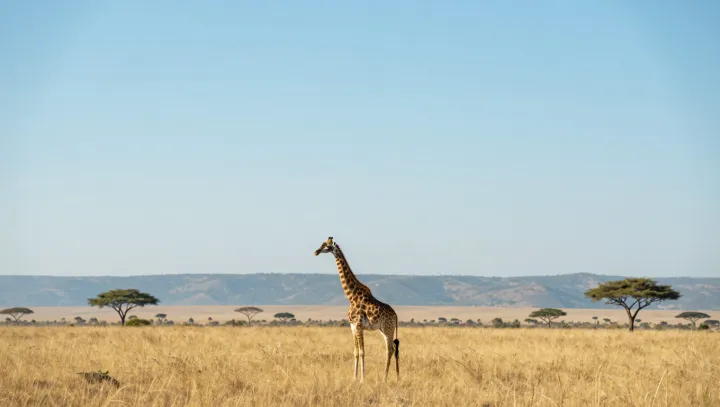
A long giraffe neck reaches close to two meters yet rests on the same seven cervical vertebrae found in the human neck. The blueprint is shared across almost all mammals, but giraffes push this rule to an extreme, turning modestly sized bones in humans into elongated structural elements in their own skeleton.
Each giraffe cervical vertebra is stretched in length rather than multiplied in number, preserving the basic segmentation of the vertebral column while radically changing its proportions. This architecture supports blood vessels, the spinal cord and powerful nuchal ligaments, which help stabilize the head and manage mechanical load when the animal bends, runs or swings its skull in combat.
Research into giraffe cervical anatomy examines how bone remodeling and cartilage growth interact with constraints on the vertebral artery and spinal nerves. The work highlights a trade‑off: keeping just seven cervical vertebrae may reduce risks linked to developmental errors, while extreme elongation delivers feeding advantages high in the canopy and extends the reach of visual surveillance across open terrain.