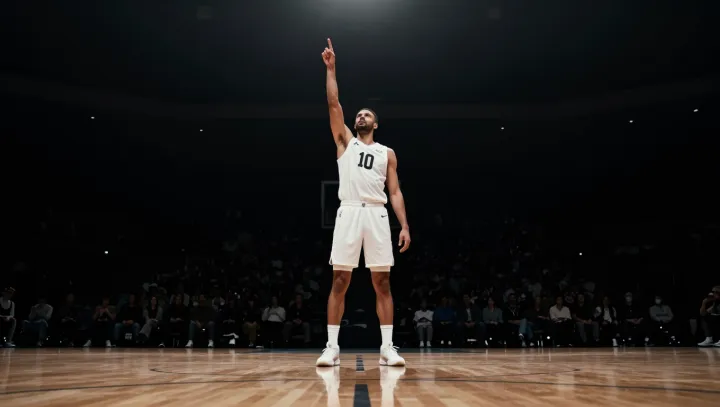
Game film, treated as a living dataset, became Kobe Bryant’s main performance lab. Instead of trusting feel or narrative, he rewound possessions frame by frame, tagging how defenders reacted to each pivot, fake and pick‑and‑roll read, and then testing those insights in the next game cycle.
Bryant’s approach mirrored a data analyst running controlled experiments. He isolated variables: defender distance, help‑side positioning, shot location, dribble count. From that he mapped which moves generated higher effective field goal percentage in specific zones, then pruned low‑yield options. The process resembled optimizing a system’s signal‑to‑noise ratio: he stripped away aesthetically pleasing moves that did not shift the scoreboard, and doubled down on sequences with the strongest marginal effect on points per possession.
This was less about mystique than about pattern recognition and feedback loops. By building a mental database of opponent tendencies and his own biomechanical constraints, Bryant compressed decision time and reduced cognitive load in high‑pressure possessions. Natural talent supplied raw capacity, but the measurable jump in shot quality, foul‑draw rates and late‑game conversion came from treating the court as a recurring experiment and the film room as the place where entropy in his decision making was steadily pushed down.