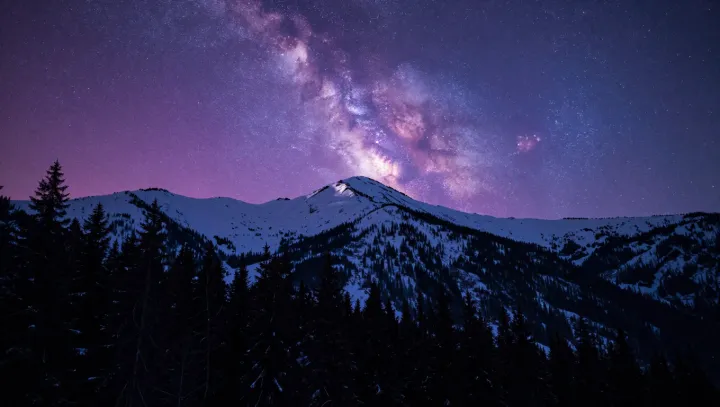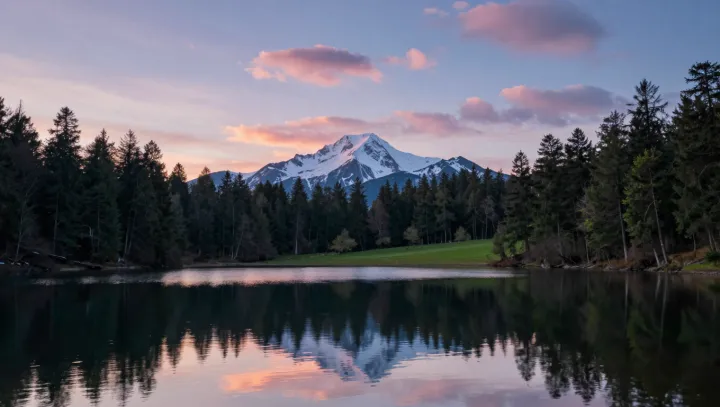
A white cone on the horizon can look like a postcard while it is quietly stockpiling potential energy. Mount Rainier appears calm from Seattle because the ice and snow on its summit sit frozen in place, locked by low temperatures and gravity into thick glaciers that move slowly downslope.
Inside that apparent stability is a different story written in mass, heat, and slope. Rainier holds enormous volumes of glacial ice perched high on a steep volcanic edifice built from fractured lava and ash. If magma rises or the cone partially collapses, sudden heat and mechanical failure can turn that stored ice into fast‑moving water and debris. The process couples latent heat of fusion with gravitational potential energy, converting solid ice and loose volcanic rock into lahars, dense slurries of mud, boulders, and logs that can travel far beyond the mountain.
Hydrologists and volcanologists describe these flows using textbook terms such as debris flow dynamics and shear stress. Once initiated, a lahar can entrain river sediment, erode valley walls, and increase its own discharge as it rushes through channels that lead toward populated lowlands. The same glacial mass that softens the skyline above Seattle therefore also provides the raw material and hydraulic head for some of the most destructive volcanic mudflows possible on the continent.