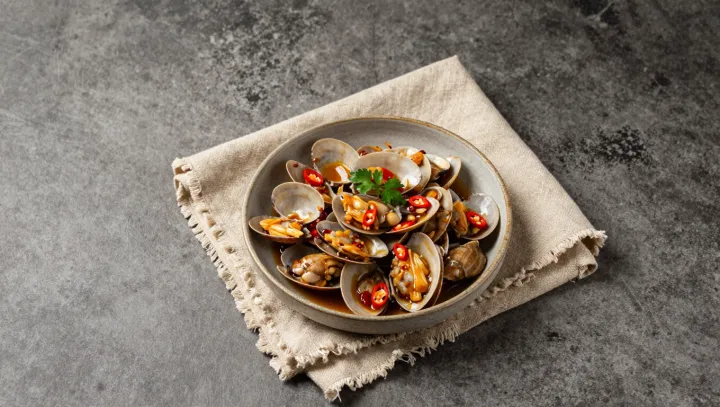
A closed shell can register light, touch, and chemicals, then alter behavior without a brain. In clams, scattered neurons and small ganglia act as decision hubs, routing sensory input into reflex circuits. When siphons detect sudden pressure or shadow, mechanoreceptors and photoreceptors trigger spikes in nerve activity that propagate through these hubs and lock the shell shut.
Filter-feeding relies on a continuous feedback loop between cilia, gills, and chemoreceptors lining the siphons. As water passes over gill surfaces, receptors sample oxygen, sediment load, and dissolved organics. If particles rise beyond a threshold, motor neurons shift ciliary beating and valve tension, reducing flow or driving the animal to burrow. This is not deliberation but stimulus–response integration, comparable to a simple control system tuning its output based on sensor data.
Basic metabolic rate sets a floor for how much water must be processed to meet energy needs, so feeding circuits bias toward open valves unless danger signals dominate. Excitatory and inhibitory interneurons in the ganglia weigh these competing inputs in real time, much like a voting mechanism. The result is a distributed neural network that implements choice without consciousness, turning a shell-bound invertebrate into a responsive node in its environment.