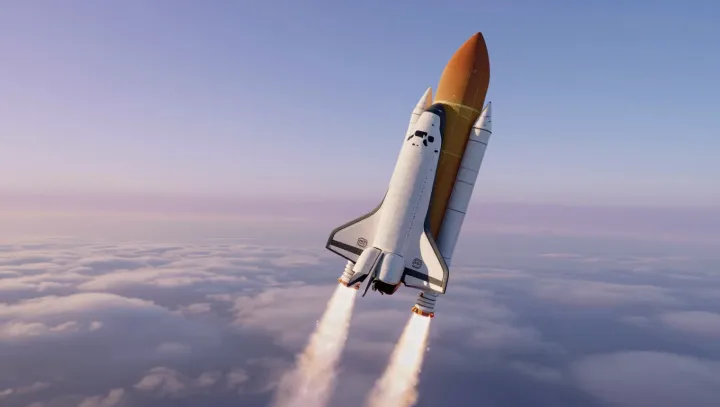
The phrase space exploration suggests that the true frontier lies beyond the atmosphere, even as vast unknowns remain in forests, oceans and microbial communities on this planet. Telescopes and probes search for exoplanets and cosmic background radiation, while ecologists still struggle to map basic species distributions and biogeochemical cycles in tropical canopies and deep trenches.
The imbalance is rooted less in scientific merit than in politics, symbolism and funding architectures. Space missions deliver powerful narratives of national prestige and technological prowess, turning rocket launches into broadcast events and budget priorities. By contrast, field stations, biodiversity surveys and metagenomics projects advance more slowly through fragmented grants, even though they are crucial for understanding ecosystem resilience, carbon sequestration and pathogen emergence.
Concepts like entropy and marginal utility quietly shape this contrast. Additional data from distant galaxies mostly refine cosmological parameters, while each new dataset from soil microbiomes or coral reefs can transform climate models, agriculture and public health. The language of exploration has not yet caught up with that calculus, leaving the most consequential mysteries embedded in living systems that remain unnamed, unmapped and under‑observed.