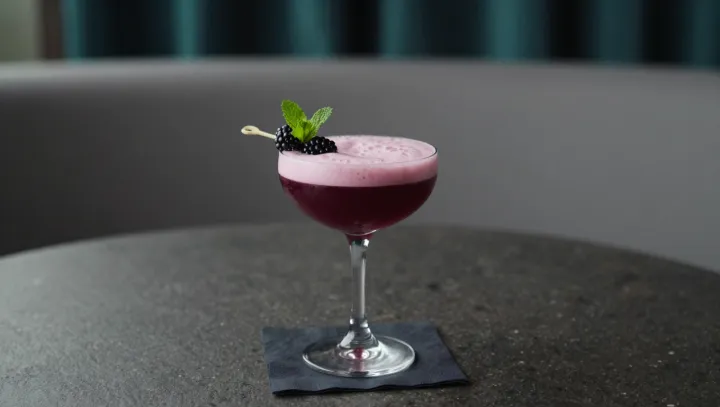
Glass after glass, the modern cocktail bar tells a quiet story of sensory engineering. Early mixed drinks existed to cover the punishing taste of crude distillates with sugar, citrus and spice, turning solvent-like burn into something merely drinkable. Today’s pastel, low-alcohol cocktails still manage bitterness, but they do so with a far more precise understanding of how different bodies register taste.
Research on taste receptor density and the genetics of TAS2R bitter receptors shows that many women experience higher bitterness intensity and greater oral pain from ethanol. As distillation quality improved and ethanol purity rose, bartenders no longer needed to hide fusel oils; instead, they began to calibrate sweetness, viscosity and aroma to align with this sensory baseline. Concepts like psychophysical scaling and hedonic response now quietly shape the ratio of sugar to acid, the choice of flavored liqueur and the deployment of textured ingredients such as cream or aquafaba.
Pastel color palettes, dessert-like garnishes and reduced alcohol by volume form a tight feedback loop between sensory biology and market segmentation. Drinks are designed to lower perceived bitterness and trigeminal burn while extending sipping time, which increases sales without dramatically raising intoxication. What started as a crude fix for faulty spirits has become a form of taste personalization, in which gendered expectations, receptor physiology and cocktail aesthetics converge in a single frosted glass.