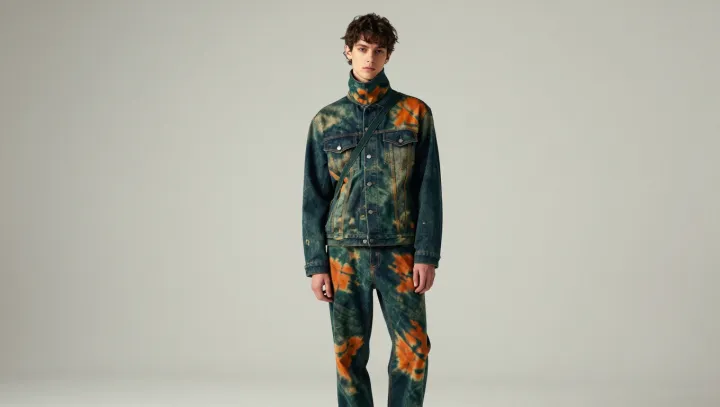
A logo built on flawless surfaces now moves through the world in scuffed leather and tattooed skin. The partnership between a street‑steeped rapper and a legacy luxury house does not erase either side; it treats both as scarce assets. What used to be a quiet runway signal has turned into a broadcast from the block and the boardroom at once.
For the label, the rapper functions as cultural capital, a hedge against the entropy that hits any brand once its status symbols saturate the market. Instead of chasing youth with safer ambassadors, the house taps into a narrative of survival, risk and social mobility that money alone cannot simulate. The rapper’s backstory supplies authenticity; the atelier supplies precision. Together they create a kind of emotional arbitrage that raises the perceived value of every bag, belt and show invite.
For the artist, the deal is not a surrender but a new distribution channel. Street credibility becomes a premium asset rather than a liability, repackaged through couture silhouettes and global campaigns without scrubbing away lyrical grit. The collaboration works as long as both sides respect a simple marginal effect: every polished frame must still leave room for the scar, the verse and the memory of cold concrete under designer soles.