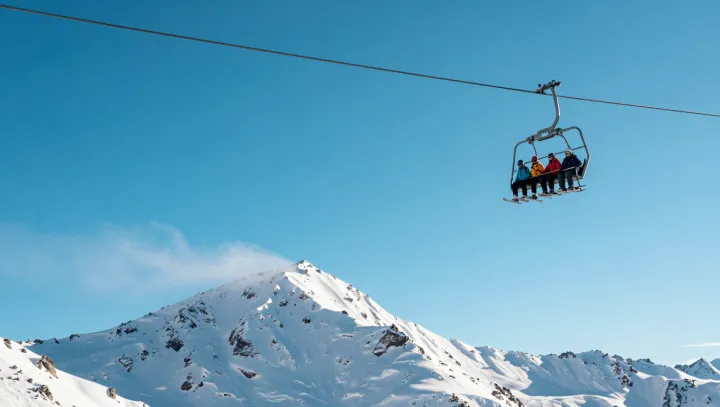
A racing line that looks slower to spectators can carry an elite skier to the finish sooner. In high‑level alpine events, the goal is not maximum instantaneous speed but the shortest possible time over the full course, given limits set by friction, gravity and turning radius.
Every gate forces a trade‑off between raw velocity and the centripetal force needed to carve the turn. A very direct line spikes speed, but it demands a tighter radius and higher lateral acceleration, which increases ski‑snow friction and risks skidding. A slightly rounder path reduces peak velocity yet preserves edge grip, keeps kinetic energy aligned with the fall line and minimizes energy lost as heat through frictional dissipation.
Course setting, surface hardness and air density further shape the optimal solution. Racers and coaches treat the slope like an applied problem in mechanics, balancing momentum, angular velocity and impulse rather than simply chasing bravery. The fastest run often belongs to the skier who best manages these constraints, converting apparent restraint into a more efficient trajectory.