Why Huge Steel Ships Refuse to Sink
Steel ships float while solid steel sinks because hull shape and trapped air lower overall density, allowing buoyant force to balance their weight.

Steel ships float while solid steel sinks because hull shape and trapped air lower overall density, allowing buoyant force to balance their weight.

A plain desert rock can host microscopic crystal networks that trap rare elements, concentrate them above gold-ore grades, and quietly rewrite how geologists and miners value barren-looking landscapes.
2026-03-30

Elephants use fat‑rich, cartilaginous foot pads as shock absorbers and acoustic dampeners, spreading load, cutting vibration, and muting each step despite their huge mass.
2026-03-25

Explains how cherries combine vitamin C, low glycemic impact, melatonin and polyphenols to act as a snack, supplement and gentle anti‑inflammatory in one small serving.
2026-04-03

Experienced night divers scout the same site in daylight to build a mental map, calibrate depth and color perception, and reduce sensory risk when vision shrinks to a single torch beam.
2026-03-23

Five familiar fruits can reshape flavor, sugar load, and absorption dynamics in homemade infusions, subtly changing both taste and how quickly alcohol hits.
2026-04-02

Fashion photography uses light direction and lens choice to rebuild bone structure, scale and mood, turning one actor into three distinct visual identities in a single shoot.
2026-04-02

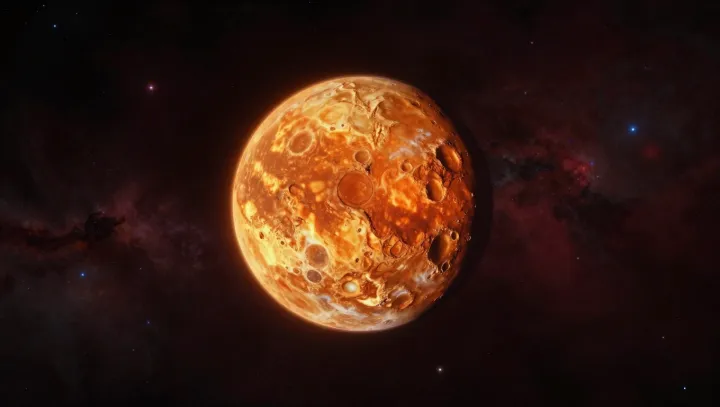
Most planets are likely invisible because their surfaces and atmospheres absorb, trap, or reradiate light instead of reflecting it, making them vanish against the dark background of space.
2026-03-26

A wild African violet was reshaped by natural selection and breeding into a compact, ever blooming houseplant built for low light windowsills worldwide.
2026-03-31

Some painters reject perfect realism because visual neurons respond more strongly to slight distortions, making stylized images feel more emotionally charged than photos.
2026-03-26

Astronomers confirmed two vast, faint dust clouds near Earth by combining long‑exposure imaging, digital stacking and precise orbital modeling to pull them from background noise.
2026-03-31