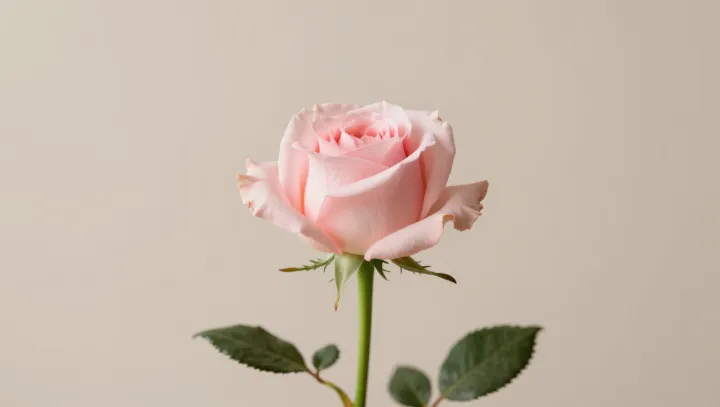
Petals that once sealed private vows of lifelong devotion now frame the public choreography of mourning. The same flower that illustrated pure, eternal love in religious art and courtship rituals has migrated to the civic stage, lining barricades, monuments and makeshift shrines whenever tragedy is televised.
The shift began as romantic symbolism fused with the politics of mass death: industrial warfare, then large-scale disasters, demanded a visual grammar that could compress intimacy and collective loss into a single, legible sign. Flowers, already coded as tokens of fidelity, were repurposed as portable monuments, their fragility echoing the entropy of human life while their repetition produced a kind of social homeostasis. As broadcasting technologies magnified images of state funerals and vigils, the practice standardized. Viewers learned, through sheer exposure, that placing a flower at a cordon or statue was the marginal utility gesture that turned private sorrow into public solidarity. Over time, the act detached from specific faiths and nations, acquiring a quasi-secular authority: one stem could stand for a lover, a citizen, a stranger, a statistic. The flower did not lose its association with love; it leveraged it, converting romantic devotion into a universal shorthand for unity in grief.