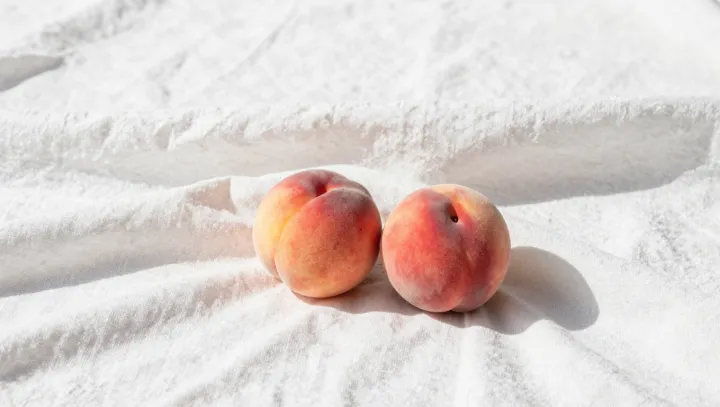
A faint groove running from stem to tip has become an internet test for “real” nectarines. One line, the posts claim, proves natural ripening; smooth fruit is branded as hormone manipulated. The rule spreads fast because it feels simple and visual, but its logic breaks as soon as you look at how the fruit actually develops on the tree.
In plant biology, the seam is a structural trace of carpel fusion, not a quality stamp. Its depth and visibility depend on cultivar genetics, sun exposure and mechanical stress during growth. Some commercial varieties show a bold suture, others stay almost smooth, even when ripened on the tree. Ripening itself is driven by endogenous ethylene synthesis and changes in cell wall pectin, processes that proceed whether or not a visible line forms on the skin.
Plant growth regulators such as synthetic auxin or gibberellin can be misused in orchards, but there is no peer reviewed evidence that their application erases a seam line or reliably smooths the surface. Food safety agencies instead look at residue limits, dose response and toxicokinetics, not at skin geometry. For buyers, firmness, aroma and background color remain better indicators of ripeness than a single groove myth.