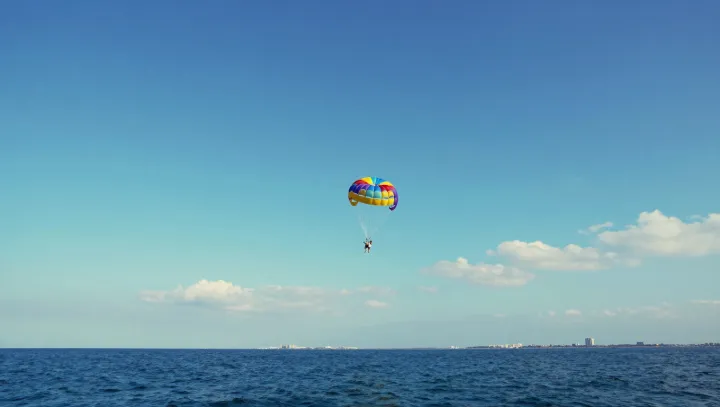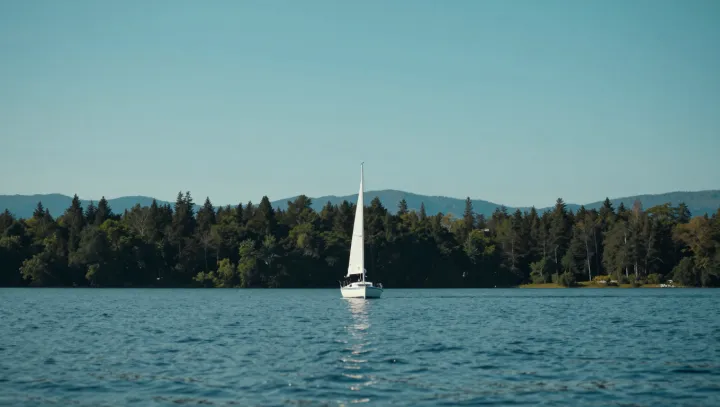
Water tilting under the hull looks like play, yet it behaves more like a live strategy interface than a holiday postcard. Every gust forces a choice: hold course, trim the sail, or tack out of trouble. Because wind, waves and boat speed respond immediately, a child’s prefrontal cortex gets relentless feedback loops, closer to an experimental lab than a casual game.
On a small boat, decision‑making is constrained by real constraints: limited time before a gust hits, finite sail area, a narrow safe angle to the wind. That pressure sharpens cost‑benefit analysis and a sense of marginal effects; small changes in sail trim can mean staying upright or stalling. Risk assessment stops being abstract and becomes embodied, governed by center of gravity, drag and momentum rather than parental warnings.
Teamwork is also non‑negotiable. Helm, crew and lookout form a tiny command system, aligning attention, sharing situational awareness and running constant if‑then scenarios. Communication must be concise, because delayed responses show up instantly in heel angle and boat speed. When the boat straightens and the wake smooths after a tight maneuver, the water keeps its own quiet scorecard.