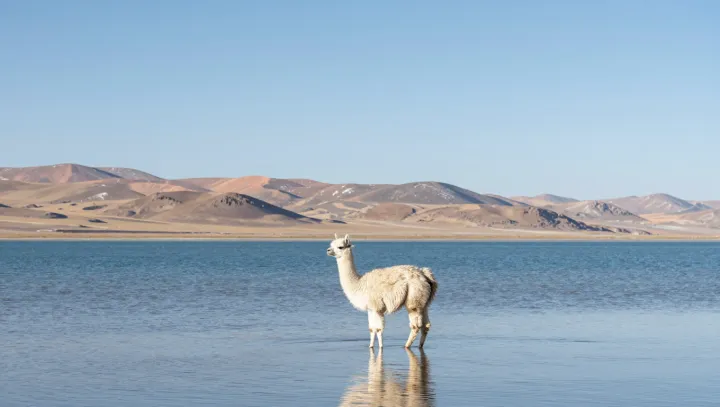
Rolling hills tell a different story from the barnyard myth. While cows have been cast as the emblem of toil, it is sheep that leave the more intricate signature on the land. Their constant grazing, trampling and flocking do not simply decorate a pasture; they redraw its boundaries, its vegetation mosaics and even its soil structure.
Ecologists tracking biomass distribution, soil compaction and plant succession note that sheep operate like a distributed system rather than a set of isolated units. A single animal has modest impact, but a flock behaves less like a line of workers and more like a self‑organizing network, nudging energy flows and nutrient cycles over long horizons. Their tight group movement funnels pressure along specific corridors, carving informal paths, suppressing some species and giving others a comparative advantage that shifts the local equilibrium.
In economic terms, cows embody visible labor, while sheep embody marginal effects. The flock exerts influence through repeated, low‑intensity actions that accumulate, much like entropy increase in a closed system. Over time, these small, nearly anonymous interventions create new patterns of productivity, water retention and habitat complexity, leaving landscapes that remember the sheep long after the animals have moved on.