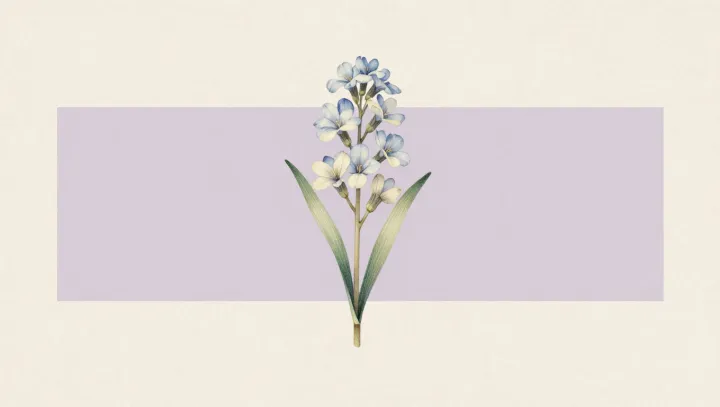
Silence, not sweetness, is the iris’s real asset. While the petals of Iris germanica and Iris pallida add almost no aroma, the buried rhizome, once harvested, dried and milled, becomes the perfume industry’s most discreet profit center, a raw material so slow and capricious that it reshapes production schedules and budgets.
The shock is economic before it is olfactory. Orris butter, the waxy extract from these rhizomes, can cost more per kilogram than many precious woods because the plant must grow for several seasons, then cure in storage so fatty acids oxidize into irones, the ketones that give the unmistakable violet‑powder note. This enforced latency acts like a built‑in scarcity engine, compressing supply and elevating orris into the top tier of natural fragrance commodities.
Perfume marketing talks about violets. Chemistry, instead, points to ionones and irones. These molecules, produced through slow enzymatic change and later refined by solvent extraction and fractional distillation, bind to olfactory receptors that quickly adapt, creating that ghostly, here‑then‑gone violet effect. The humble iris flower contributes almost nothing to this process; its job is visual, not aromatic, while the swollen rhizome quietly turns time, oxidation and plant metabolism into one of luxury’s most expensive illusions.