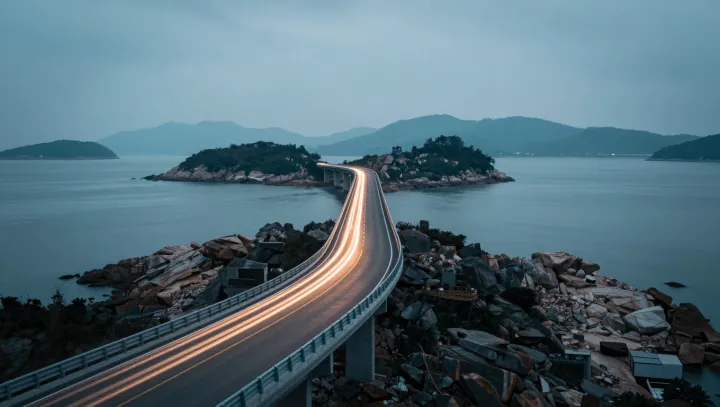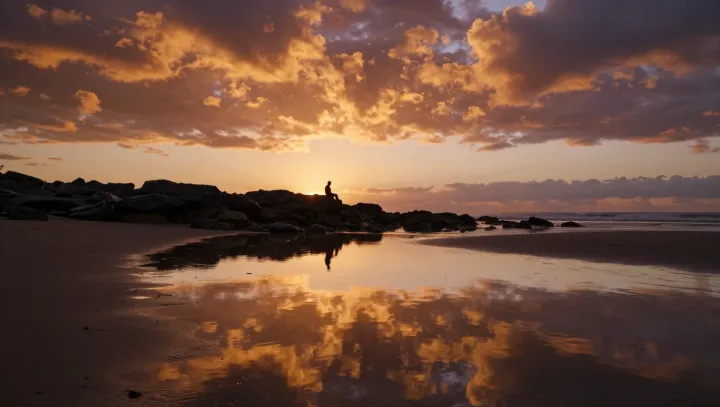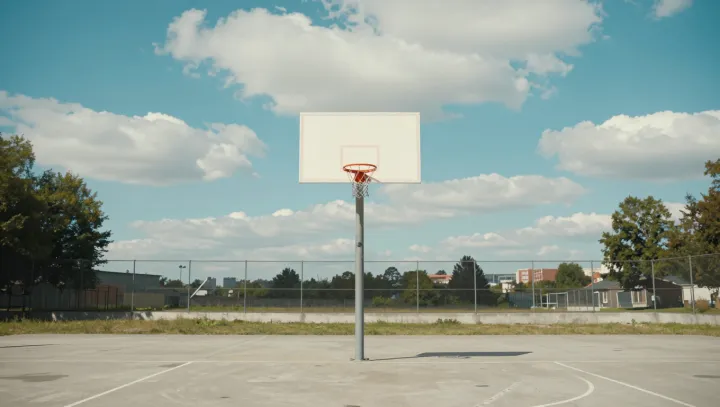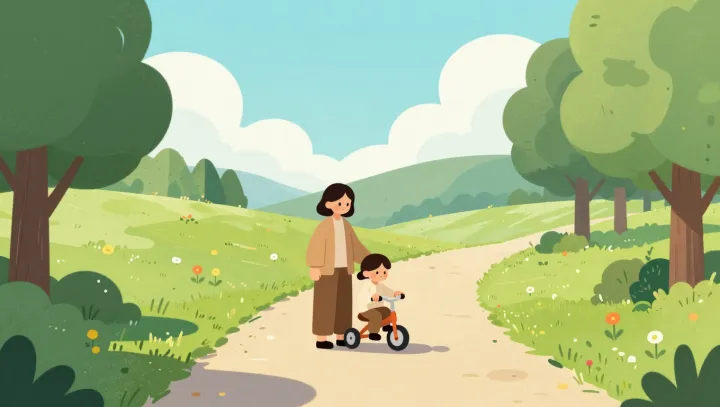
A free day outdoors can outperform many structured classes. Not because parks or riversides are magical, but because they are dense with variables, patterns, and artifacts that beg for questions. Ask a child to compare the angle of tree shadows at lunch and later; you have just smuggled in solar geometry and basic trigonometry without a worksheet in sight.
The strongest lessons start with a challenge, not a lecture. At a museum, tell kids to find three objects that show how one idea changed over time, then trace the materials, tools, and social context behind each piece. Suddenly, curatorial choices become an exercise in historical inference and material science, from pigment chemistry to metallurgy, anchored in real objects their hands nearly touch.
Riversides work the same way. A simple request to sketch the waterline, map nearby plants, and count visible insects turns into field ecology and basic hydrology, with concepts like sedimentation and food webs emerging from what they already see. Free days are not a budget compromise; used with precise prompts, they are high-yield laboratories hiding in plain sight.