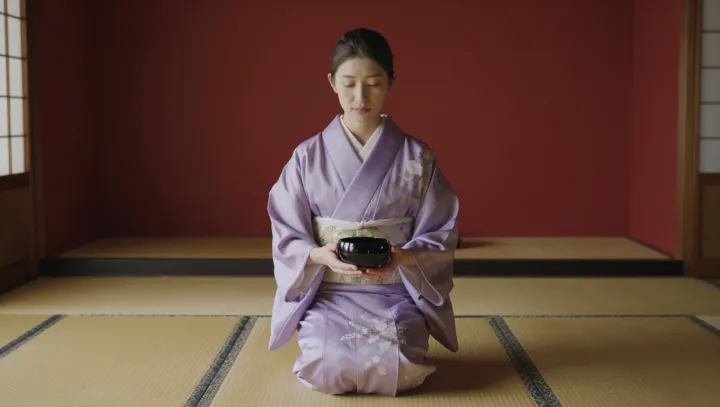
Blur, not sharpness, often carries the weight in a strong photograph. When professionals throw a background out of focus with shallow depth of field, they are not being careless; they are exploiting how the human visual cortex prioritizes contrast edges and isolates subjects. Sharpness feels stronger when it is surrounded by softness, so controlled blur acts like negative space for detail, forcing the eye to lock onto the in‑focus plane and reading as extra clarity rather than loss.
Underexposure, too, is less a mistake than a quiet form of sculpting. By pulling exposure down, photographers increase local contrast, protect highlight detail, and let midtones sink toward shadow, which our brains interpret as volume and three‑dimensional form, a process rooted in luminance perception and spatial frequency response. A technically flawless auto‑exposed frame may show everything, yet say nothing; a slightly darkened, selectively blurred image with intentional bokeh and carefully preserved specular highlights can feel sharper, deeper, and far more emotional because it imitates how attention, not a sensor, actually sees.