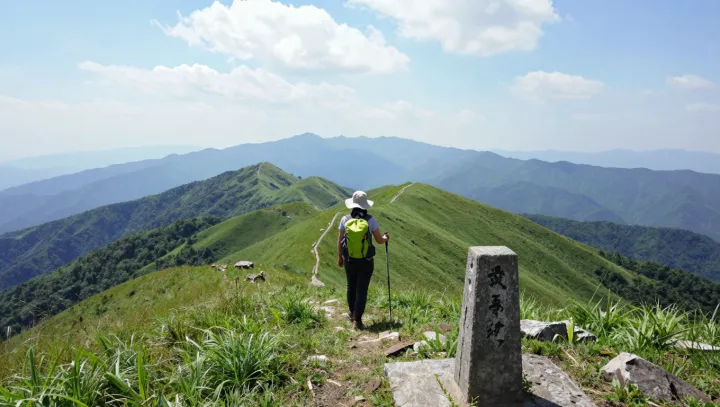
A gentle hill can be as punishing as a brisk track session. For an older body, gravity multiplies demand on the heart and joints, even when the pace looks modest. As incline rises, oxygen consumption and heart rate climb disproportionately, a classic cardiorespiratory load problem driven by reduced stroke volume, stiffer arteries, and lower maximal aerobic capacity.
The bigger shock sits in the knees and hips. Uphill gait increases knee extensor torque and compressive force at the patellofemoral joint, while weaker gluteal muscles and slower proprioception in older adults shift more stress to already degenerated cartilage. What feels like a casual stroll can push heart rate near anaerobic threshold and joint force toward levels seen in structured training.
Yet that same hill can become a longevity asset. Slow the cadence until speech is easy, then use micro‑intervals: short climbs alternated with flat or downhill shuffles to keep heart rate in a moderate training zone. Schedule standing rest at visual landmarks, sip water or electrolyte fluid before thirst appears, and prefer softer, even surfaces. With trekking poles to offload joint force and a clear rule to stop at any chest pain or unusual breathlessness, the hill turns from hidden hazard into controlled, repeatable stimulus for vascular health and muscle preservation.