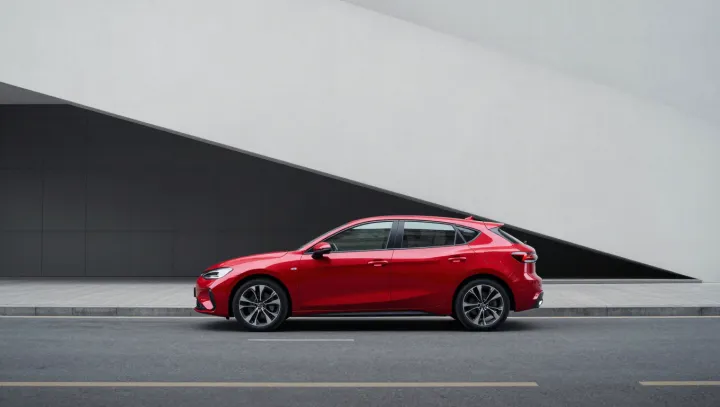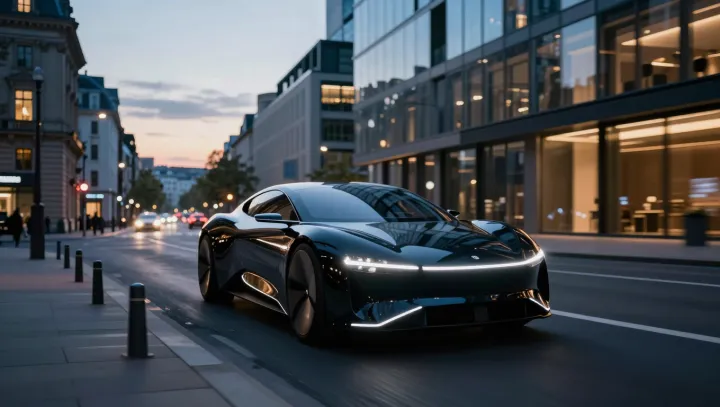
The oddest thing about a car like Renault’s EZ-Ultimo is not the lack of a driver. It is the quiet demotion of driving itself to backup status, a contingency protocol rather than the main event, as if the steering wheel were a glass box on the wall labeled break only if code fails.
This shift makes sense. A dense ring of lidar, radar, and high-resolution cameras can maintain situational awareness in three hundred and sixty degrees, while probabilistic planning algorithms and sensor fusion models coordinate that stream into millisecond decisions no human motor cortex can match. Punchy point. A human hand on a wheel, by contrast, introduces reaction lag, emotional noise, and inconsistent pattern recognition, the very flaws that safety engineers quantify under terms like human factors variance and error rate.
Luxury, in this frame, is not leather and chrome. It is cognitive offloading, achieved when redundancy, fail-safe architecture, and formal verification of control software make human intervention statistically anomalous. Short sentence. The steering wheel becomes a ceremonial relic, closer to a museum object than a command interface, much like reins laid across the front of a train, present only to soothe passengers who still trust touch more than code.