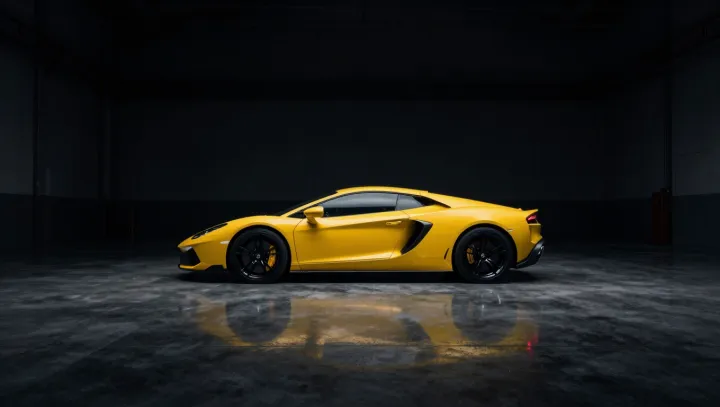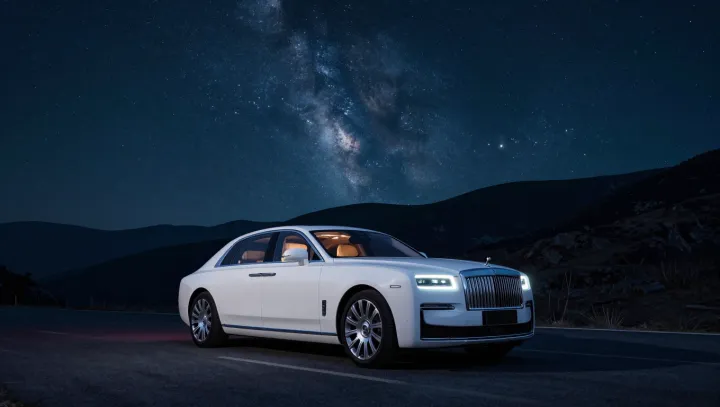
Silence should be modest, yet this car shouts. Its cabin is tuned like an anechoic chamber, with active noise cancellation and obsessive vibration isolation swallowing road roar until the engine is almost a rumor. Doors seal with the precision of a bank vault, glass is multi-layer acoustic laminate, and the exhaust is calibrated to register more as heartbeat than howl.
The real volume comes from scarcity. Only 25 units exist, a production run smaller than many art editions, and that enforced rarity functions as economic loudspeaker, amplified by social media feeds and invite-only concours lawns. Auction houses treat its VINs like stock tickers, where premiums over list price become a public scoreboard of who can waste the most marginal dollar for the least added utility.
What looks like pure indulgence is actually sharp strategy. Automakers leverage limited-series models to raise brand equity, deepen pricing power, and build a psychological moat around their most profitable clients, creating a closed-loop where each sold-out run justifies the next. The car itself may whisper on the highway, but its waiting lists, resale spreads and influencer thumbnails turn that quiet engineering project into a rolling public address system for concentrated wealth.