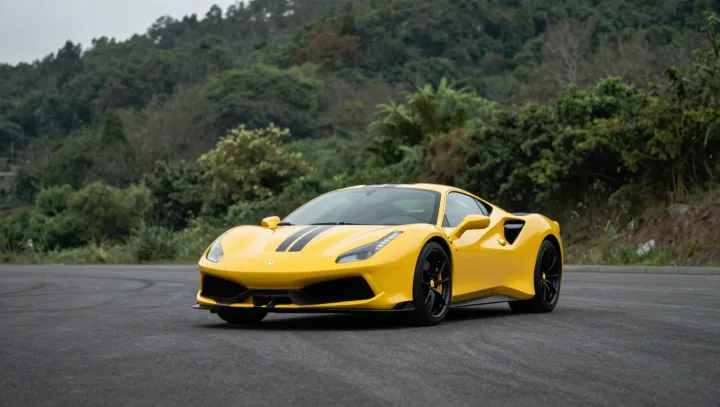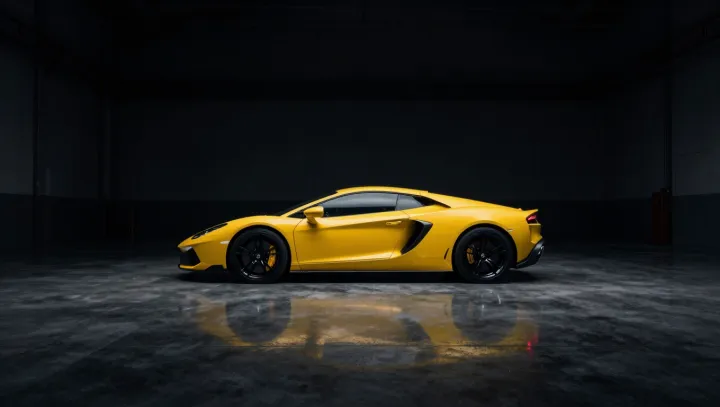
These ten outlaw hypercars do not just break the speed limit; they interrogate where physics starts to push back. Their engines chase specific output beyond many race grids, with power-to-weight ratios that approach one horsepower per kilogram, so acceleration loads flirt with what untrained human bodies can safely endure lap after lap.
Most radical is their aerodynamics. Gigantic splitters, tunnels and multi-element wings generate downforce that can exceed vehicle mass, using Bernoulli pressure differentials and boundary-layer control to pin the chassis to the asphalt. That grip comes at a price: at low speed these shapes are unstable in crosswinds, and at high speed they demand ride heights and suspension geometries that would destroy themselves on a public-road bump or camber change.
Even racing series grow wary. Sanctioning bodies cap frontal area, wing span and energy recovery output because these cars threaten to out-run safety infrastructure, from barriers to run-off zones. Carbon-composite tubs are tuned for crash structures that assume dedicated circuits, not lampposts, side impacts or pedestrian-protection rules that govern any street-legal bodywork.
The deeper issue is control. With active aero surfaces and torque-vectoring differentials reacting in milliseconds, software becomes a co-driver, yet homologation rules for road cars demand predictable failure modes and serviceability. These ten machines exist in a narrow band where grip, load and algorithmic assistance meet, a band so thin that public roads simply have nowhere to fit.