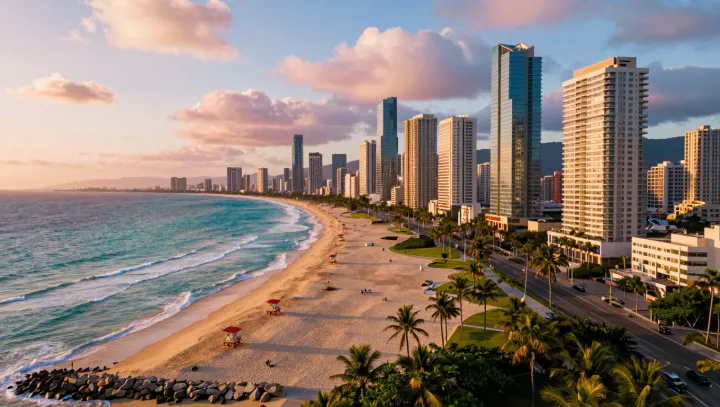
Saltwater, not soccer, is Miami’s real opponent. On porous limestone barely above the Atlantic, the city is being drafted as a test bench for whether any coastal megacity can promise a climate‑resilient World Cup. Streets already flood on cloudless days as tidal forcing pushes water up through storm drains and through the rock itself, turning ordinary commutes near stadium sites into case studies in hydrogeology.
The hard truth is that Miami’s party image hides a laboratory of failure and adaptation. Engineers now treat stadium perimeters like levee systems, modeling storm surge, capillary action and groundwater tables in the same breath as security perimeters. Elevated electrical substations, permeable pavements and pumped retention basins are being folded into event design, an applied exercise in coastal aquifer management rather than a simple sports infrastructure build‑out.
If any city is forced to over‑engineer for risk, it is this one. Tourism, broadcast rights and sponsorships depend on continuous operation of transit, cooling systems and digital networks even under compound hazards: king tides stacked on rainstorms, heat waves colliding with grid stress. Ticket revenue becomes collateral for investments in flood‑proof substations and district‑scale heat mitigation, turning a month of matches into a referendum on whether the global event economy can coexist with a rising ocean.