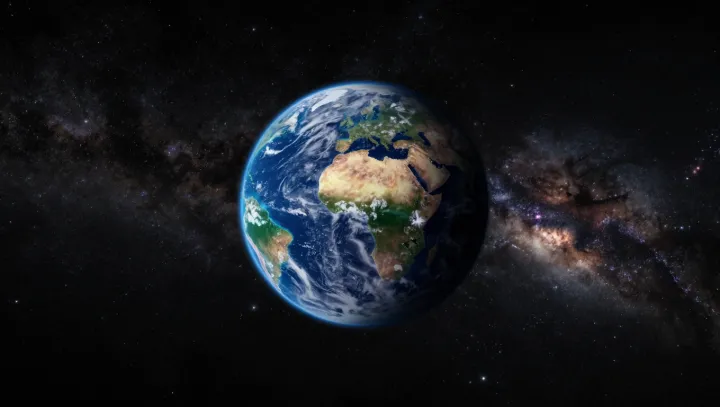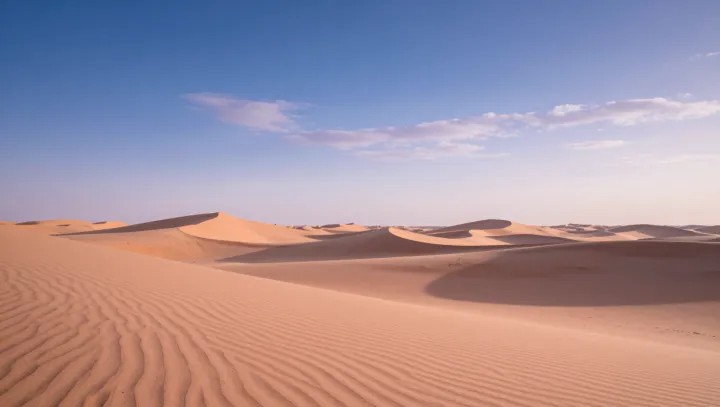
Green water, not sand, once defined the Sahara. That claim sounds overstated until drill cores and fossil pollen outline a humid basin packed with lakes, wetlands, and grazing fauna. Climate records show this so‑called Green Sahara switched off with startling speed, not through local overuse, but through small shifts in planetary geometry.
Subtle changes in Earth’s orbital precession did the heavy lifting. When Northern Hemisphere summers align with perihelion, insolation over North Africa spikes and strengthens the West African monsoon, pulling moist air deep inland by intensifying the land–sea thermal contrast and the Hadley circulation. As precession cycles onward, summer sunlight weakens, monsoon rainfall retreats toward the coast, and the interior begins to dry. Vegetation cover thins, lakes shrink, and surface albedo rises, feeding back on regional energy balance and suppressing convection even further.
The real shock is how fast the system flipped once thresholds were crossed. Sediment cores from former lake beds record a shift from muds rich in freshwater diatoms to wind‑blown mineral grains within a few millennia, sometimes faster than that at individual sites. With soils exposed and root systems gone, deflation ramps up, and the Sahara starts exporting fine particles into the atmosphere. Those dust plumes, tracked today by satellite sensors and geochemical tracers, now seed distant oceans and ice sheets, a far‑reaching legacy of a slight orbital nudge and a fragile monsoon machine.