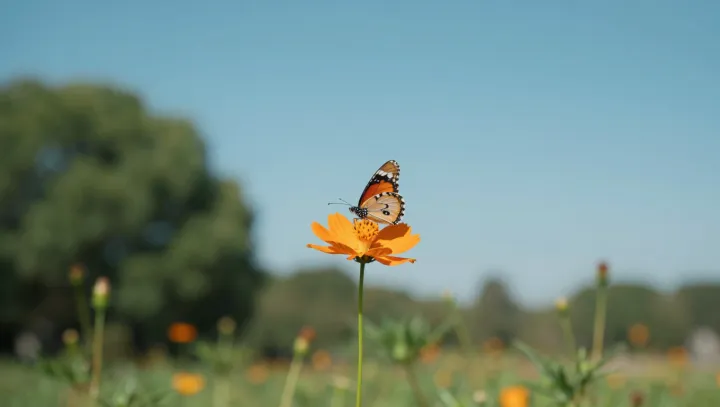
A chrysalis is less a shell than a demolition site in progress. Inside, the caterpillar’s gut, muscles, and many larval tissues are dismantled by apoptosis, a programmed form of cell death that turns solid anatomy into a viscous cellular slurry. Short. Enzymes break down proteins, lipids, and membranes, releasing nutrients that will bankroll the rebuild.
More radical than any renovation is the hidden blueprint that survives the wrecking. Scattered in the larval body long before pupation are imaginal discs, compact clusters of undifferentiated cells that stay mostly quiescent while the animal chews leaves. They behave like preinstalled modules. Under the surge of ecdysone and the counter‑balancing hormone juvenile hormone, these discs proliferate, migrate, and fold into adult structures: compound eyes, articulated legs, wings with air‑filled veins.
What looks like magic is in fact strict logistics. Nutrients released from dissolved larval tissues fuel mitosis in the discs; gradients of morphogens and tightly regulated gene expression, including Hox gene activity, map out which segment becomes thorax, which becomes abdomen, which cells thicken into flight muscle. Short. The result is not a new animal but a reconfigured one, its nervous system partially rewired yet retaining circuits that still recognize the same host plant, now from the air.