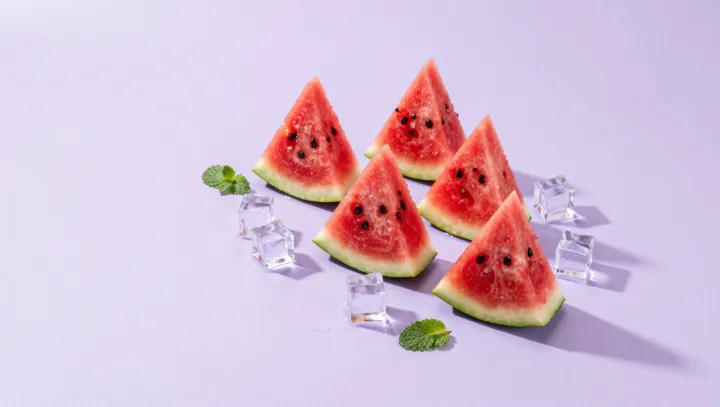
A glossy red wedge on a highchair tray looks harmless. For infants, it can be anything but. That soft, water-heavy fruit turns risky the moment geometry, texture, and timing collide, pediatric feeding specialists warn, because babies explore with gums, not grinders.
The first problem is simple physics, not panic. Cut into coin-shaped slices or cubes, the slippery pulp behaves like a plug that can seal a narrow airway, especially before a mature gag reflex and coordinated chewing develop, so infant guidelines favor thin, stick-like strips that squash rather than lodge. Short sentence. Even that shape matters again once tiny molars appear, since bite-sized chunks suddenly become swallowable whole.
The second threat hides on the skin, not the tongue. High-water fruits saturate bibs and cheeks, and prolonged contact with acidic juice and plant proteins can trigger irritant contact dermatitis, a rash that mimics allergy but springs from barrier breakdown in still-developing epidermis. Briefly put. Leaving juice-soaked fabric against the neck for a long meal quietly extends exposure and raises the odds of a flare.
The final hazard is chemical, not dramatic. Frequent grazing on sweet, water-rich fruit bathes emerging teeth in fermentable carbohydrate, fueling oral bacteria and lowering pH in dental plaque enough to start demineralization of thin infant enamel. One more point. Sticky residue clings near the gumline, so dentists urge offering water sips, limiting constant snacking, and keeping bedtime bottles separate from dessert fruit.