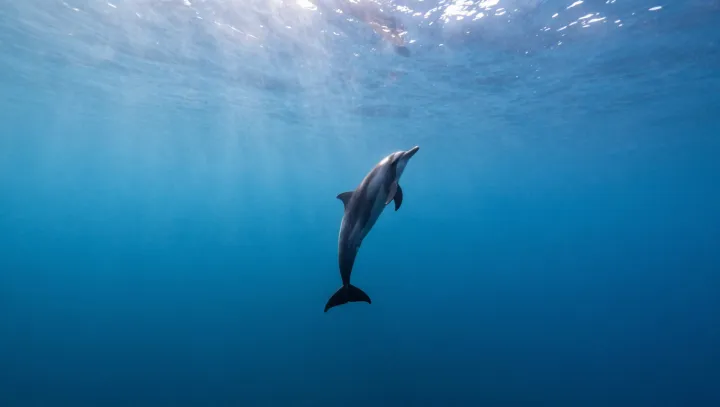
The sea on canvas can look more convincing than the sea itself. That is not romance; it is engineering of perception. By exaggerating depth cues and local contrast, painters exploit binocular disparity and atmospheric perspective in ways the physical scene rarely offers all at once, feeding the visual cortex a curated dataset instead of a noisy live feed.
Painters bet that the eye is lazy and the brain is ambitious. Using sharper luminance edges at the horizon and slightly enlarged wave forms in the mid-distance, they amplify cues for stereopsis and figure–ground segregation, so the viewer infers a vast volume of space from a flat panel. Where real air scatters light and flattens values, artists selectively compress midtones and reserve bright highlights and deep shadows, increasing perceived dynamic range beyond what the retina can comfortably register outdoors.
Color, too, is quietly edited rather than copied. Human color constancy and opponent-process channels tend to neutralize subtle blues and greens under open sky, so painters often cool the distant water and warm the near surf, overclocking the brain’s comparisons between short- and long-wavelength cones. That controlled distortion boosts saturation and depth simultaneously, convincing the viewer that this painted ocean is not just accurate, but somehow more real than standing at the shore.