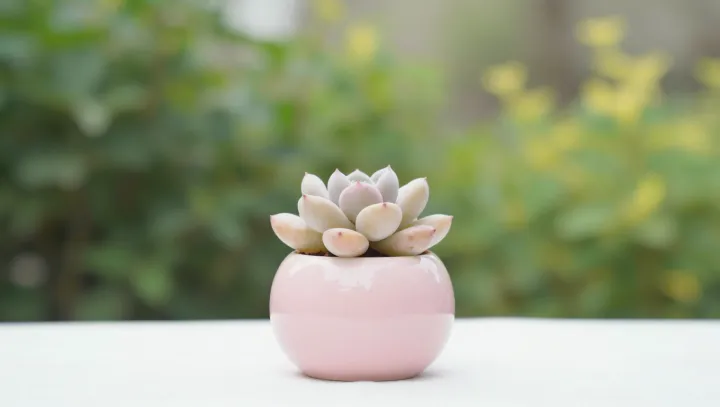
A single lotus in still water looks flat when the phone stares straight down. Tilt the device a few degrees and slide it a few centimeters, and the same flower suddenly stands inside a stacked space that feels almost sculpted.
The real trick is not software magic, it is geometry; by lowering the phone and angling it so the sensor plane cuts across the pond, the perspective lines between flower, leaves and distant bank stop overlapping and start separating, which our binocular vision reads as depth even on a small screen. That slight offset also exaggerates parallax, the shift in relative position between near petals and far reflections, a cue the visual cortex treats as a depth map.
What looks like a cinema lens effect is mostly control of the focal plane and depth of field, because moving closer increases subject magnification and forces the phone to open to a larger entrance pupil, softening background ripples while keeping the lotus crisp. Shift another centimeter and bright leaves slide behind the bloom instead of beside it, creating foreground, midground and background layers that mimic the separation of a longer focal length lens, even though the hardware never changed.