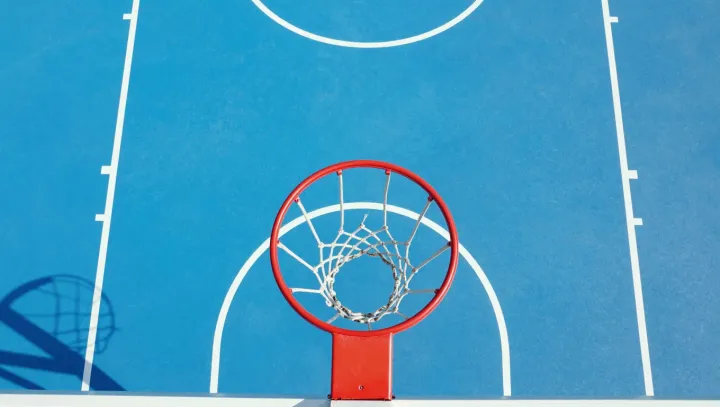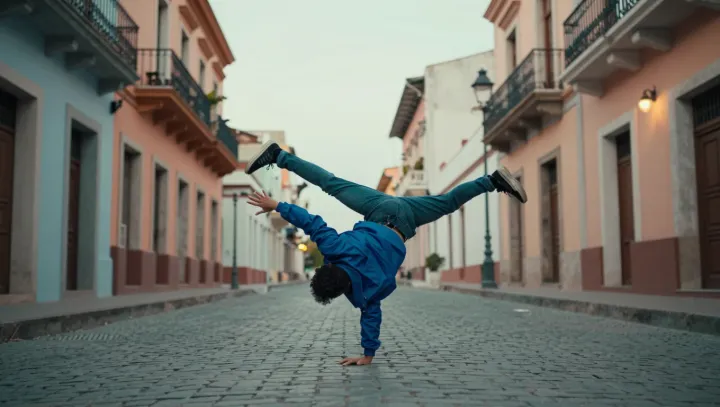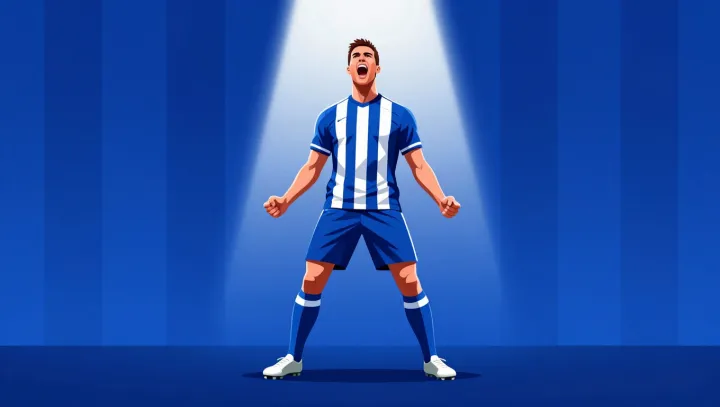
An impossible twist of limbs on a canvas can feel more honest than the sharpest sports photo. In a single painted frame, the player’s spine may stretch, the thigh may bend past anatomical safety, yet the scene reads as pure football because it condenses what the eye and body register across several instants, not what a shutter catches in one slice of time.
What artists really reject is the camera’s obedience to a single exposure. Visual cognition, described by concepts like persistence of vision and motion parallax, stitches micro-moments into one charged impression; painters mimic that internal edit by exaggerating the arc of a leap or the torque of a shot, building a composite of successive positions that our nervous system already averages without asking permission.
The bolder claim is that emotion, not likeness, is the primary metric of accuracy in sports imagery. Where a lens freezes sweat and grass blades, a drawing can bend perspective, darken the stands, or tilt the pitch to foreground impact and risk, integrating kinesthetic memory, crowd acoustics and even tactical context into a single exaggerated pose that feels, to anyone who has struck a ball in anger, almost physically remembered rather than merely seen.