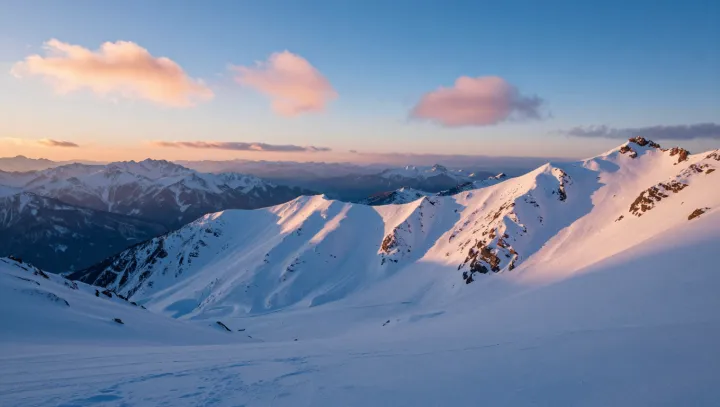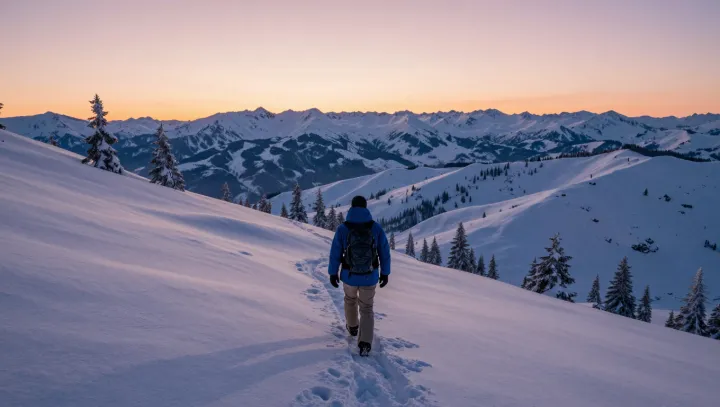
Deep snow punishes haste. On a ridgeline loaded with powder, speed is not a badge of fitness but a tax on the body’s energy economy and thermal balance. Each lunge through unconsolidated snow forces major muscle groups into repeated eccentric contraction, driving oxygen consumption and heart rate toward levels that research on cold-exercise physiology links with accelerated core heat loss and faster glycogen depletion.
Slow movement, by contrast, is a heat strategy. Short, deliberate steps limit convective heat loss by avoiding frantic limb motion, while steady aerobic output keeps brown adipose tissue and peripheral vasoconstriction working in tandem rather than in conflict. When pace stays just below the threshold of heavy panting, exhaled moisture drops, reducing ice buildup in face coverings and preserving the insulating loft of midlayers that would otherwise wet out from inside.
There is also a blunt safety dividend. Measured foot placement lets a hiker read wind slabs, cornice lips, and weak layers telegraphed through pole resistance, cutting the odds of a misstep that triggers a slide or snaps an ankle. Falls here are slow to rescue and fast to freeze. So the veteran who seems to move in slow motion often reaches camp earlier, less hypothermic, and with enough reserves to respond if the ridgeline suddenly demands more.