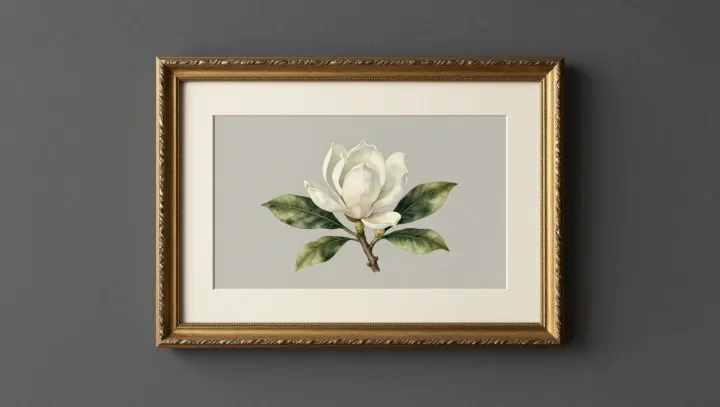
Magnolia blossoms look like nostalgia made visible, yet their real story is older and far less sentimental. Their thick, waxy tepals and robust carpels are not decorative excess; they are structural armor shaped by a pollination deal with beetles at a stage when bees did not exist. Botanists classify magnolias among early-diverging angiosperms, and the flowers still carry anatomical clues of that status in their spiral arrangement of reproductive organs and their reliance on scarab and nitidulid beetles for pollen transfer.
What collectors frame as pure ornament is, in fact, an archive of pre-bee engineering. Beetles chew, scrape and blunder across magnolia stigmas, so the flowers evolved lignified tissues and resilient ovules that can withstand mechanical damage while still enabling fertilization. Heavy fragrance and copious pollen function as rewards in this beetle-service economy, substituting for the nectar-driven interactions that later tied many plants to bees. When people hang magnolia prints on gallery walls or plant avenues of these trees in cities and estates, they are curating an ancient experiment in mutualism, preserving a design that solved the problem of reproduction long before the buzz of bees ever entered the garden.