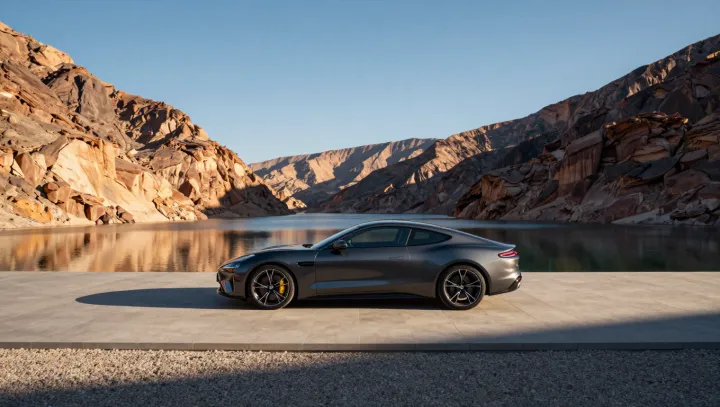
Paintwork comes first now, not horsepower. Where grand tourers once chased marginal gains in drag coefficient and power‑to‑weight ratios, they are increasingly calibrated for curb presence, social media framing and the soft economics of desire.
The uncomfortable truth is that speed has diminishing returns while scarcity compounds. Above a certain threshold, extra kilowatts and lower zero‑to‑sixty figures deliver little added thrill on public roads, yet each limited run, bespoke color code or numbered plaque functions as a status vector in Veblen‑style consumption, raising perceived value precisely because access is restricted.
More striking still is how optics now outrun aerodynamics. Designers talk less about coefficient of drag and more about shoulder line, light signature and how a car reads in wide‑angle shots against mountains or oceans; the cabin, too, is arranged so stitched leather, knurled metal and digital clusters form a ready‑made backdrop for phone cameras, an interior stage set for aspirational self‑portraits rather than endurance driving.
At the center of this shift sits the feed, not the autobahn. A grand tourer that photographs well, carries an unmistakable silhouette and appears rarely enough to feel almost mythical offers owners a communication tool, a rolling avatar of wealth and taste; the stopwatch, once the final judge, is now just another forgotten instrument on a crowded digital dashboard.