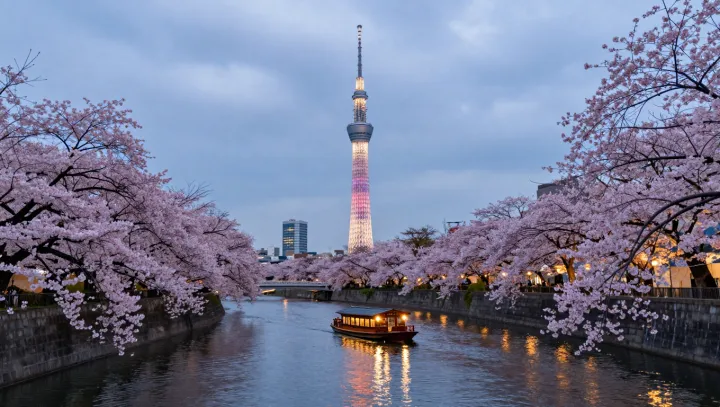
Light along a river is less decoration than infrastructure. Every diode, every beam, sits inside a quiet negotiation between safety codes and seasonal biology. On the facade side, planners push for high luminance values and dense building outlines, then force the glow to bounce inward with full cut off fixtures and narrow beam optics that slice downward rather than spill across the water surface.
The real heresy in many river cities is vertical glare. Boat pilots need contrast, not sparkle. So regulators cap luminance at low angles above the horizon, require unified color temperature bands, and insist on glare indices that keep bridge edges legible while avoiding mirror like veiling reflections on the river. Radar and Automatic Identification System gear do not care about colored crowns on towers, but human eyes do, especially when they face wet black water that throws back stray lux.
Cherry trees make the lighting brief even trickier. These trees read night length through phytochrome driven photoperiodism, a system so sensitive that a stray floodlight can shift flowering or leaf drop. To protect that clock, designers trim blue rich spectra, lean on warmer correlated color temperature, and run strict curfews through adaptive control networks that dim or shut fittings near the canopy once foot traffic falls. The skyline still burns bright above, yet at trunk level the night stays dark enough for petals and buds to keep their own schedule.