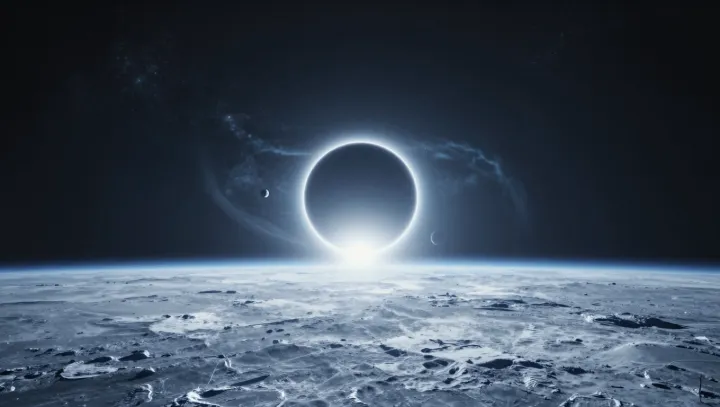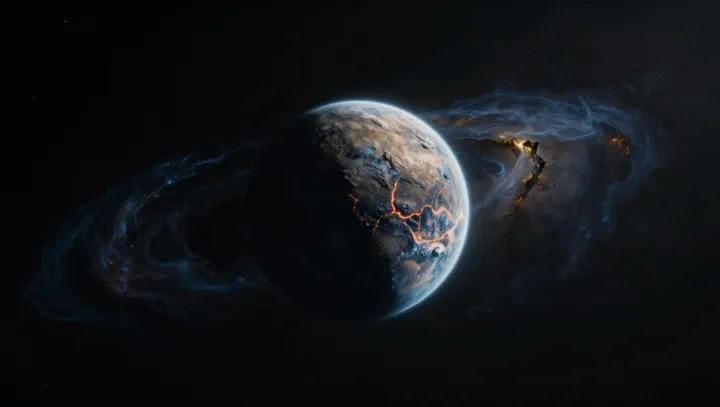
Darkness is overrated. A planet torn from its star can still shine, not with daylight, but with stubborn heat stored in its own interior. Thrown outward by violent gravitational scattering, a newborn world leaves its orbit carrying thermal energy from accretion, when countless impacts compressed rock and ice into a hot, molten core.
More persistent than any sunset is the slow leak of that energy through conduction and convection in the mantle, a process throttled by thick rock that acts like insulation and turns cooling into a geological marathon. Inside, radioactive decay of uranium, thorium and potassium keeps adding watts, a planetary trickle charger that geophysicists describe with the same heat production equations used for Earth. Even isolation does not guarantee calm: if the orphan retains a massive moon, tidal heating can knead its interior the way gravitational flexing powers the volcanic engine of Io, converting orbital energy into friction and magma.
The surprise is not that such a world glows, but that it cools so slowly that its infrared shimmer can, in principle, be spotted by sensitive telescopes against the microwave hush of space. A planet without a sunrise, yet not quite done with fire.